
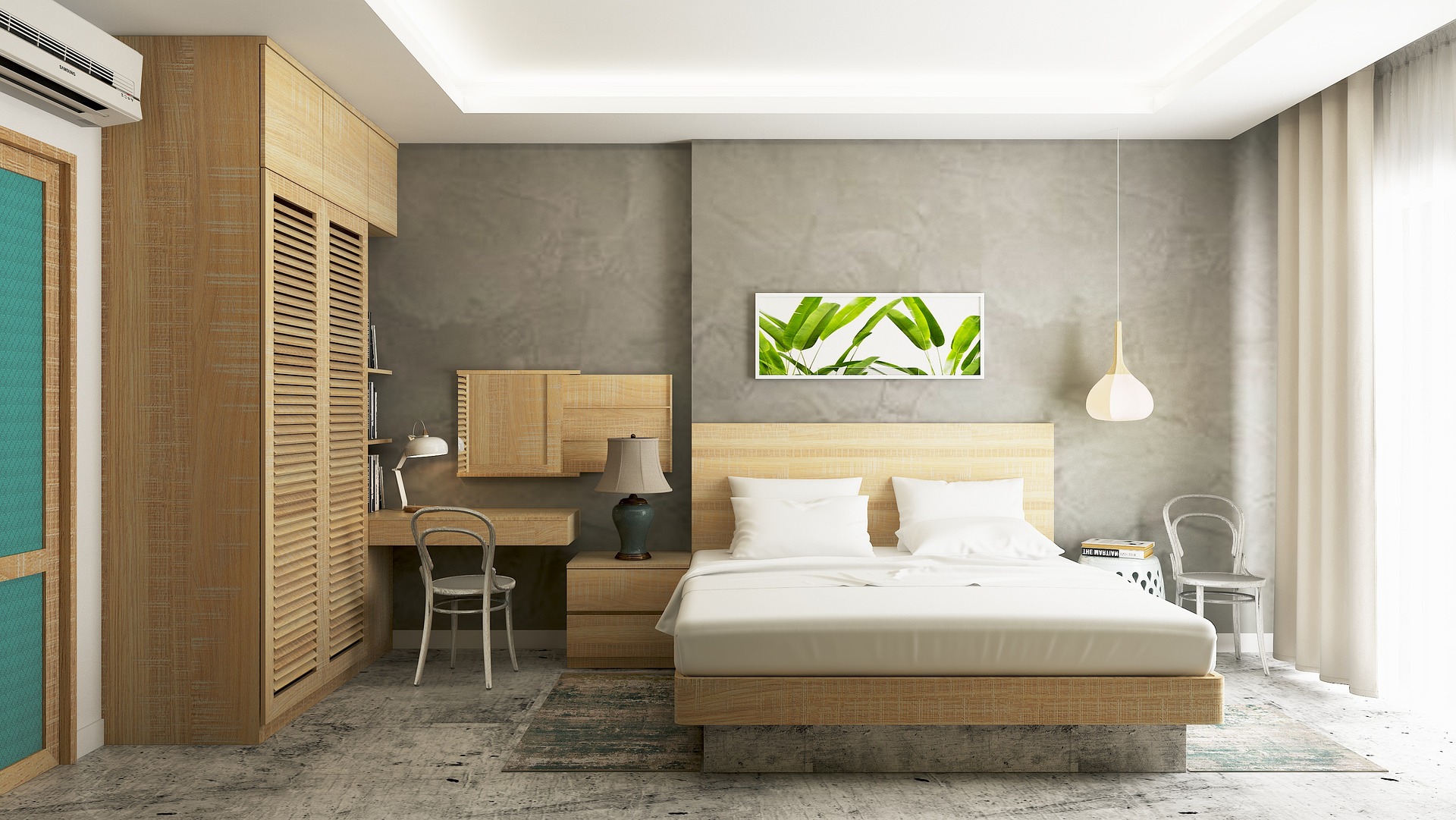
Your bedroom should feel like a peaceful retreat, but creating a designer-inspired space can seem expensive. Decorative wall panels, upholstered headboards, custom wallpaper, and professionally styled interiors often come with high price tags. The good news is that you can achieve a similar sophisticated look with affordable materials, simple DIY projects, and a little creativity.
The wall behind your bed is one of the most important areas to decorate because it naturally draws attention when you enter the room. Instead of spending money on expensive furniture or a complete bedroom renovation, you can transform this wall with paint, inexpensive molding, fabric, lighting, or carefully arranged artwork.
Whether you prefer a modern minimalist bedroom, a warm neutral aesthetic, or a luxurious hotel-inspired design, the right bedroom wall makeover can make your space feel more polished without exceeding your budget.
In this guide, you will discover practical ways to create a designer-look bedroom wall using affordable materials and DIY techniques.
1. Paint a Statement Wall Behind the Bed
Paint is one of the most affordable ways to transform a plain bedroom wall. A carefully chosen color can create depth, establish a focal point, and make the entire room feel more coordinated.
Instead of painting every wall, focus on the wall behind your bed. This creates visual interest while keeping the rest of the bedroom simple.
For a sophisticated appearance, consider warm beige, muted sage green, dusty blue, soft taupe, or deep charcoal. These colors can complement natural wood furniture, neutral bedding, and simple decorative accessories.
How to create the look:
- Remove wall decorations and move furniture away from the wall.
- Clean the surface and repair visible imperfections.
- Apply primer if required.
- Use painter’s tape to protect adjacent surfaces.
- Apply the paint in even coats, allowing sufficient drying time between applications.
For a modern finish, paint the wall in one solid color. If you prefer something more distinctive, create a large painted arch behind the headboard or use two complementary shades to introduce subtle contrast.
A well-painted accent wall can make an ordinary bedroom feel intentionally designed without requiring expensive decorative materials.
2. Create DIY Picture-Frame Wall Molding
Picture-frame molding is a classic wall treatment that adds architectural detail to a bedroom. It creates the appearance of custom paneling and works particularly well in traditional, transitional, and contemporary interiors.
You can recreate this look using affordable lightweight molding rather than investing in expensive wall panels.
How to create the look:
- Measure the wall behind your bed.
- Plan the size and spacing of the rectangular panels.
- Mark the layout with a pencil and level.
- Cut the molding to the required lengths.
- Attach the pieces using suitable adhesive and fixings.
- Fill joints, smooth imperfections, and paint the finished design.
For a seamless designer appearance, paint the molding the same color as the wall. Warm white creates a timeless look, while muted green, beige, or dusty blue introduces a more contemporary atmosphere.
Keep the panel sizes balanced in relation to the bed. Large, simple rectangles often look more sophisticated than numerous small decorative shapes.
3. Build a Budget-Friendly Wood Slat Feature Wall
Wood slat walls are popular in modern interiors because they introduce warmth, texture, and clean architectural lines. They can make a bedroom feel more contemporary, especially when installed behind the headboard.
You do not need expensive custom panels to achieve this effect. Depending on the wall and your budget, you can use suitable timber battens or affordable decorative slat panels.
Natural wood tones create a warm, organic atmosphere, while dark-stained or painted slats produce a more dramatic look.
How to create the look:
- Decide how much of the wall you want to cover.
- Measure the area and plan the spacing between the slats.
- Prepare and finish the wood as needed.
- Attach the slats securely using fixings suitable for the wall construction.
- Check the alignment regularly to keep the design consistent.
A full-height slat wall creates a strong focal point, while a smaller panel behind the bed can achieve a similar effect with fewer materials.
Combine the wood with plain bedding, simple bedside tables, and warm lighting to maintain a balanced appearance.
4. Use Wallpaper to Create a Luxury Headboard Wall
Wallpaper can introduce pattern, texture, and visual depth without requiring structural changes. Using it only on the wall behind your bed is a practical way to achieve a designer-inspired look while controlling costs.
Choose a design that complements your bedroom rather than competing with the bedding and furniture.
Textured neutral wallpaper can create a subtle luxury effect. Botanical patterns add softness, while geometric designs suit contemporary bedrooms. Wallpaper inspired by linen, stone, or natural fibers can also provide texture without the expense of the real material.
For a budget-friendly project, calculate the required quantity carefully and compare the cost of traditional wallpaper with peel-and-stick options.
How to create the look:
- Measure the wall and calculate how much wallpaper you need.
- Repair holes and prepare the surface according to the product instructions.
- Plan the placement of the first strip.
- Apply the wallpaper carefully, matching patterns where necessary.
- Smooth out air bubbles and finish the edges neatly.
If your bedroom already contains patterned bedding, curtains, or rugs, choose a simpler wallpaper design to keep the space visually calm.
5. Make a DIY Upholstered Headboard Wall
An upholstered headboard adds softness and creates a comfortable, hotel-inspired appearance. If a large upholstered headboard is outside your budget, you can create a similar effect with fabric-covered panels.
Use a suitable backing material, upholstery fabric, and appropriate padding to create panels that can be arranged behind the bed.
Linen, cotton, and textured neutral upholstery fabrics are popular choices for a cozy minimalist bedroom. Beige, cream, taupe, and muted gray are versatile colors that work with many interior styles.
How to create the look:
- Measure the width and height of the area behind the bed.
- Cut suitable backing panels to the desired dimensions.
- Add compatible padding if a cushioned finish is required.
- Stretch the fabric over the panels and secure it at the back.
- Attach the panels securely using an appropriate mounting method.
You can arrange several rectangular panels in a symmetrical grid or create one wider upholstered feature.
Make sure the backing and mounting system are appropriate for the weight of the panels. If using foam or other padding, choose materials suitable for the intended indoor application and follow relevant safety guidance.
6. Create a Painted Arch Behind the Bed
A painted arch is a simple way to create a custom-looking feature without buying furniture or installing wall panels. Its curved shape softens the straight lines of a bed and bedside tables.
This design works especially well in minimalist bedrooms, small apartments, and warm neutral interiors.
Choose a color that contrasts gently with the wall. For example, a beige arch against a warm white background creates a subtle effect, while muted terracotta or sage green introduces more character.
How to create the look:
- Measure the width and height of the arch.
- Mark the vertical sides using a level.
- Create a curved template or use a suitable marking method to outline the top.
- Apply painter’s tape where appropriate.
- Paint the shape carefully and remove the tape according to the paint instructions.
Position the arch so it frames the headboard rather than appearing disconnected from the bed.
You can create a single large arch or use a broader painted shape that extends slightly beyond the headboard. Keep the surrounding decor simple so the shape remains the main feature.
7. Hang Large-Scale Artwork Above the Bed
Artwork can make a bedroom look more finished without requiring complicated DIY work. One large print or canvas can create a focal point and visually connect the bed with the wall.
For a designer-inspired appearance, choose artwork that complements your bedroom’s colors and overall style.
Abstract prints, minimalist landscapes, botanical illustrations, and textured neutral artwork are versatile choices. If you want to reduce costs, print digital artwork and place it in an affordable frame.
A large horizontal piece often works well above a wide bed. Alternatively, use two coordinated prints to create a balanced arrangement.
Before hanging the artwork, measure the wall and consider the width of the headboard. The artwork should feel proportionate to the furniture rather than too small or oversized.
Secure the frame with suitable hardware, particularly if it is heavy or positioned above the bed.
8. Add Wall Sconces for a Boutique-Hotel Look
Lighting can dramatically change the appearance of a bedroom wall. Wall sconces create a layered lighting effect and can make the bed area feel more polished.
Matching sconces on either side of the bed provide symmetry, while a single sculptural fixture can create a more contemporary look.
If electrical installation is not practical, consider plug-in wall lights or suitable rechargeable fixtures. Check the product’s installation requirements and ensure cords are safely positioned.
Choose finishes that complement your existing furniture, such as matte black, brushed brass, or warm white.
Warm lighting generally creates a comfortable atmosphere for a bedroom. Position the lights so they are useful for reading and do not shine directly into your eyes while lying down.
Electrical work involving fixed wiring should be completed by a qualified professional when required.
9. Install a Budget Board-and-Batten Feature
Board-and-batten is another way to add architectural interest to a plain bedroom wall. It uses vertical trim and horizontal boards or rails to create a structured panel design.
The treatment can cover the lower half of the wall or extend from floor to ceiling, depending on the look you want.
For a traditional bedroom, combine lower wall paneling with a simple painted upper wall. For a more contemporary style, use narrow vertical battens across the full wall.
Lightweight trim can help reduce material costs, provided it is suitable for the wall and installed securely.
Once the panels are installed, fill gaps, smooth the joints, and paint the entire design in one color. A unified finish makes the feature look more architectural and less like separate pieces of trim.
This approach works especially well when the bedroom needs texture but does not require additional decorative objects.
10. Use Fabric Wall Art for a Soft, Cozy Finish
Fabric wall art is an affordable way to introduce texture without using heavy materials or complicated construction. It works beautifully in bedrooms that feature natural fabrics, neutral colors, and simple furniture.
You can stretch linen or cotton over a canvas, frame a decorative textile, or create a wall hanging using a wooden dowel.
For a minimalist look, choose fabrics in cream, oatmeal, beige, or soft gray. Subtle woven textures can create depth without introducing a strong pattern.
A large fabric panel above the bed can act as a soft visual focal point, while two smaller framed textile pieces can create a more balanced arrangement.
This project is also an opportunity to reuse leftover fabric from curtains, upholstery, or sewing projects.
Choose an appropriate hanging method for the artwork’s size and weight, and keep textiles away from heat sources.
11. Paint the Wall and Headboard in Coordinated Colors
One way to create a custom bedroom design is to coordinate the wall color with the headboard. Rather than treating these elements separately, use related shades to create a unified appearance.
For example, a muted green wall paired with a slightly darker green upholstered headboard creates a layered effect. A beige wall with a natural wood headboard produces a warm, organic look.
You can also paint the wall and a suitable wooden headboard in the same color to create a built-in appearance.
This technique works particularly well in minimalist bedrooms where the focus is on texture, shape, and carefully chosen colors.
Before painting furniture, check the existing finish and use a suitable primer and paint system. Allow the finish to cure fully before placing bedding or accessories against it.
Repeat the chosen colors in small details such as cushions, bedside lamps, or artwork to make the room feel coordinated.
12. Style a Simple Bedroom Gallery Wall
A gallery wall can make the space above a bed feel personal and thoughtfully arranged. However, a designer-inspired gallery wall does not need dozens of frames or expensive artwork.
Choose a small collection of prints, photographs, or illustrations that share a similar palette. Neutral landscapes, abstract shapes, black-and-white photography, and botanical prints are all suitable choices.
Use matching frames for a clean appearance or combine natural wood and black frames for a slightly more relaxed look.
How to create the look:
- Choose three to five pieces of artwork.
- Arrange them on the floor to test the composition.
- Measure the spacing between frames.
- Mark the hanging positions before drilling.
- Install suitable fixings and hang the artwork securely.
Keep the arrangement centered in relation to the bed. The overall grouping should feel connected to the headboard rather than floating too high on the wall.
For a small bedroom, a simple row of coordinated frames can provide visual interest without overwhelming the space.
How to Make a Bedroom Wall Look Expensive Without Spending More
A designer-inspired bedroom wall is not necessarily the one with the most decorations. Often, the most sophisticated spaces use a limited number of materials and repeat them consistently.
Start by choosing a clear design direction. Natural wood, warm neutrals, and textured fabrics create an organic look, while molding, symmetrical lighting, and framed artwork can produce a more classic interior.
Measure carefully before purchasing materials, and plan the placement of each feature in relation to the bed and bedside tables.
Pay attention to the finishing details. Straight paint lines, evenly spaced molding, properly aligned slats, and neatly installed artwork can make affordable materials look considerably more refined.
You can also save money by focusing on one feature wall rather than renovating the entire bedroom. A single well-executed treatment often creates enough visual impact to change how the whole room feels.
Common Mistakes to Avoid
Choosing too many focal points: Combining elaborate molding, bold wallpaper, several large artworks, and multiple lighting features can make the bedroom feel visually crowded. Choose one main wall treatment and allow other elements to support it.
Ignoring proportions: A small artwork above a wide bed may look disconnected, while oversized panels can overwhelm a compact room. Measure the wall and furniture before finalizing the design.
Skipping wall preparation: Uneven paint, visible holes, and poorly finished joints can make even expensive materials look less polished. Prepare the surface before painting or installing decorative elements.
Using incompatible materials: Not every adhesive, paint, or wall panel is suitable for every surface. Check product specifications and installation instructions before starting.
Forgetting the lighting: A beautifully decorated wall may look different under cool or harsh lighting. Consider how natural daylight and bedroom lamps affect the colors and textures.
Frequently Asked Questions
What is the cheapest way to create a designer bedroom wall?
Paint is often the most affordable starting point. A painted accent wall, geometric design, or arch can transform the space without requiring expensive materials. For additional texture, consider simple molding or framed fabric artwork.
Which wall color makes a bedroom look luxurious?
Warm white, beige, taupe, muted sage green, dusty blue, and deep charcoal can all create a sophisticated atmosphere. The best color depends on the room’s lighting, furniture, and preferred style.
How can I decorate the wall behind my bed on a budget?
You can paint an accent wall, install affordable molding, create a fabric-covered panel, hang large-scale artwork, or use a painted arch. Choose one main feature that complements the size and style of your bed.
How do I make a small bedroom look more expensive?
Use a coordinated color palette, keep the wall design simple, and choose furniture and artwork that suit the room’s proportions. Wall-mounted lighting and carefully selected decorative details can create a polished appearance without taking up valuable floor space.
Are wall panels worth it in a bedroom?
Wall panels can add texture and architectural character, particularly behind the bed. They may be worth the investment if you want a long-lasting decorative feature, but painted designs and lightweight trim can provide a similar visual effect at a lower cost.
Can I create a luxury bedroom wall in a rental?
Yes. Consider removable wallpaper, framed artwork, fabric wall hangings, or suitable removable mounting systems. Always check the rental agreement and product instructions before attaching anything to the walls.
Final Thoughts
Creating a designer-look bedroom wall on a budget is about making thoughtful choices rather than buying expensive decor. Paint, molding, wood slats, fabric panels, and well-positioned artwork can all transform an ordinary wall into a beautiful focal point.
Start with one idea that suits your bedroom’s size, lighting, and existing furniture. Prepare the surface carefully, use materials that are appropriate for the project, and pay attention to the small finishing details.
Whether you prefer a minimalist painted arch, elegant wall molding, or a warm wood feature, a carefully planned bedroom wall makeover can make your entire space feel more inviting and sophisticated.
You do not need to change everything in your bedroom. Sometimes, transforming the wall behind your bed is enough to create the polished, comfortable atmosphere you want.


Leave a Reply