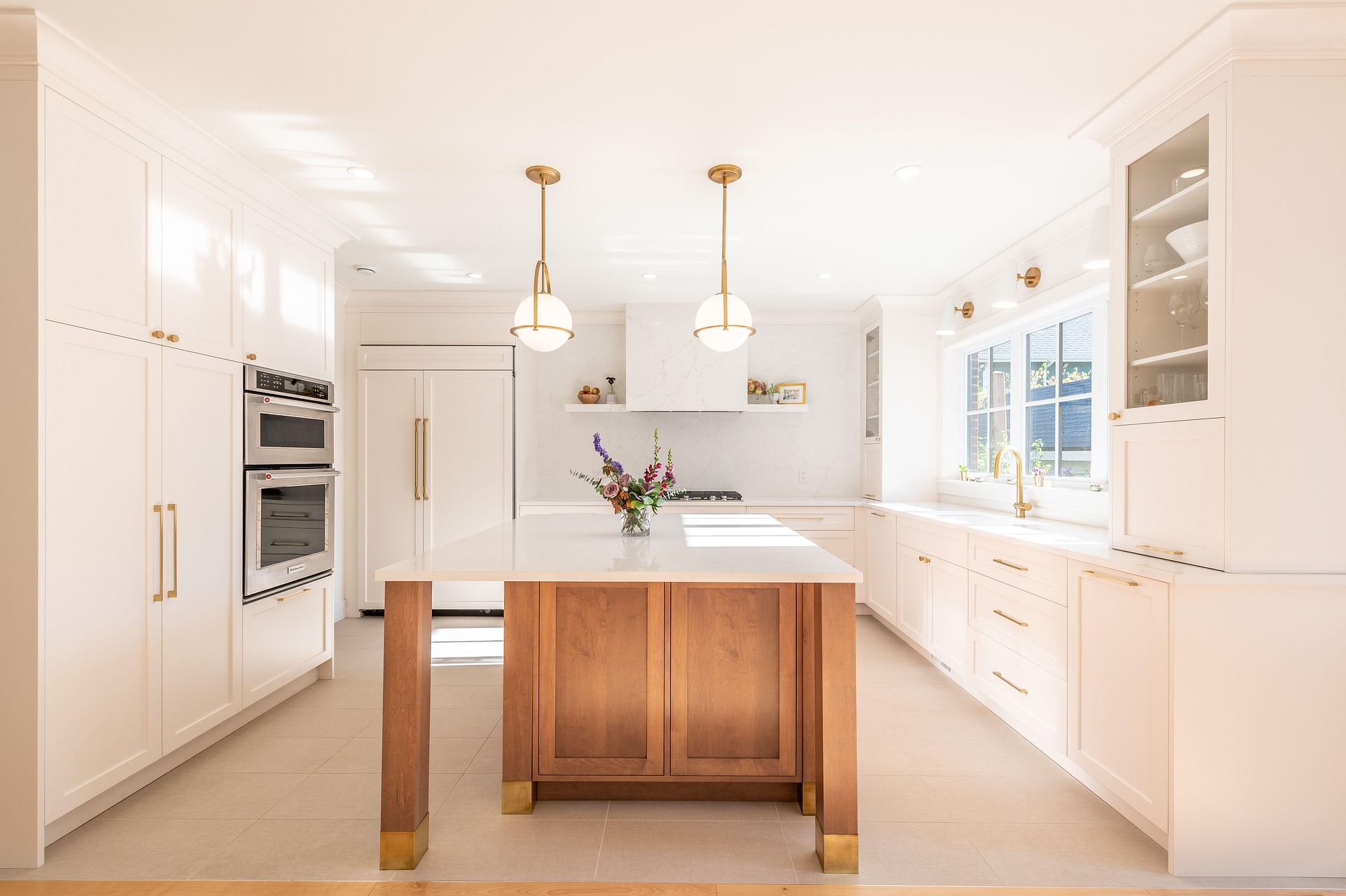
Clever Ways to Maximize Your Home
Finding enough storage space at home can be challenging, especially when closets are overflowing, kitchen cabinets are crowded, and everyday belongings seem to take over every available surface. Whether you live in a small apartment or a spacious house, creating extra space storage can help you maintain a cleaner, more organized, and more comfortable living environment.
The good news is that you do not always need to renovate your home or purchase expensive furniture to gain more storage. With creative home storage ideas, smart organization techniques, and a few simple DIY projects, you can make better use of the space you already have.
In this guide, you will discover practical ways to create extra storage space throughout your home, reduce clutter, and organize your belongings without sacrificing style.
What Is Extra Space Storage at Home?
Extra space storage refers to creative ways of increasing the available storage capacity in your home without necessarily adding another room. It involves making use of overlooked areas, organizing existing belongings, and choosing furniture or storage solutions that serve multiple purposes.
Effective home storage solutions can help you organize clothing, kitchen supplies, cleaning products, books, toys, seasonal decorations, and other household essentials. The goal is to keep everything accessible while making your living space feel more open and inviting.
Even a small home can offer plenty of storage opportunities when you look beyond traditional closets and cabinets.
Use Vertical Space to Create Extra Storage
One of the easiest ways to create extra storage space is to use your walls. Many homes have unused vertical space that can accommodate shelves, hooks, wall-mounted organizers, and other practical storage solutions.
Floating shelves are particularly useful in living rooms, bedrooms, bathrooms, and kitchens. They provide space for books, decorative accessories, plants, toiletries, and everyday essentials without taking up valuable floor space.
Wall-mounted hooks can also help organize coats, handbags, keys, towels, and cleaning tools. In a small entryway, a row of hooks combined with a narrow shelf can create a convenient storage station.
For a more organized kitchen, install shelves above a countertop or use a wall-mounted rack for frequently used utensils. Keep heavier objects securely supported and avoid placing fragile items where they could fall.
Using vertical storage helps free up crowded surfaces while making your home more functional.
Make Better Use of Under-Bed Storage
The area beneath your bed is often overlooked, even though it can provide valuable extra storage space. This hidden area is ideal for storing items that you do not need every day.
Under-bed storage containers can hold spare bedding, seasonal clothing, shoes, handbags, and extra towels. Choose shallow containers that slide easily beneath the bed and include lids to protect belongings from dust.
If your bed has enough clearance, rolling storage boxes make it easier to retrieve items without moving heavy furniture. A bed frame with built-in drawers is another useful option, particularly in bedrooms with limited closet space.
To keep under-bed storage organized, group similar items together and label each container. Avoid storing damp clothing or other items that require ventilation in airtight containers unless they are completely dry.
This simple home organization idea helps you use hidden space without making your bedroom feel crowded.
Choose Multifunctional Furniture for Small Spaces
Multifunctional furniture is an excellent solution when you need more storage but have limited room for additional cabinets or shelves.
An ottoman with hidden storage can hold blankets, magazines, toys, or remote controls while providing extra seating. A storage bench can organize shoes and bags near the entrance, while a coffee table with drawers offers space for living room essentials.
In a small bedroom, consider a bed with built-in drawers or a headboard with shelves. In a home office, choose a desk with integrated drawers to keep paperwork, stationery, and electronic accessories organized.
Furniture that combines storage with everyday functionality reduces clutter and helps you make the most of your available floor space.
When choosing multifunctional furniture, consider the size of your room, the items you need to store, and how frequently you will use them.
Organize Your Kitchen for More Storage Space
Kitchens often become cluttered because they contain many different items, from cookware and small appliances to pantry supplies and cleaning products.
Start by removing items you rarely use from your main cabinets and countertops. Store occasional-use appliances in less accessible areas and keep everyday essentials within easy reach.
Cabinet organizers can help maximize the space beneath your shelves. Stackable containers, pull-out baskets, and adjustable shelf inserts make it easier to organize food, dishes, and cooking accessories.
The inside of cabinet doors can also provide extra storage. Depending on the cabinet design, you may be able to install small racks for lids, cutting boards, or cleaning supplies.
In the pantry, use clear containers to group dry ingredients and prevent packages from becoming disorganized. Label containers clearly so you can identify their contents quickly.
For a small kitchen, prioritize storage solutions that improve accessibility rather than simply adding more containers. A well-organized cabinet often provides more usable space than a crowded one.
Create Extra Closet Storage Without Renovating
A small closet does not have to mean limited storage. With the right organization techniques, you can increase its capacity and make your belongings easier to find.
Begin by removing clothing, shoes, and accessories that no longer fit your needs. Donate usable items and relocate belongings that belong elsewhere in the home.
Matching hangers can help create a more consistent arrangement, while slim hangers may free up space on the hanging rail. Shelf dividers can prevent folded clothing from toppling over, and hanging organizers can hold accessories, handbags, or smaller garments.
Use the upper shelves for seasonal clothing and items you rarely need. Store shoes in suitable racks or clear boxes, and keep frequently worn pairs within easy reach.
If your closet has unused wall space, consider installing additional shelving or hooks, provided the structure can support the weight.
These closet storage ideas can make even a compact wardrobe more efficient without requiring a complete renovation.
Turn Awkward Corners Into Useful Storage Areas
Corners, narrow gaps, and unusual spaces are often wasted because standard furniture does not fit them well. However, these areas can become useful storage zones with a little creativity.
A corner shelf can provide space for books, decorative items, plants, or bathroom essentials. A slim rolling cart may fit between a washing machine and a wall, creating storage for laundry products or cleaning supplies.
The area beside a refrigerator can sometimes accommodate a narrow pantry organizer, provided there is sufficient clearance for the appliance and its ventilation requirements.
In a living room, a corner cabinet can store board games, electronics, or household accessories. In a bathroom, a small freestanding shelf can organize toiletries without requiring extensive remodeling.
Before purchasing storage furniture, measure the available space carefully and check that doors, drawers, and appliances can still open comfortably.
Maximize Bathroom Storage in a Small Space
Bathrooms often have limited cabinets, making it difficult to store toiletries, towels, cleaning supplies, and personal care products.
To create more bathroom storage space, use the area beneath the sink with organizers that fit around plumbing. Stackable bins can separate cleaning products from toiletries, while small baskets help keep everyday items together.
Over-the-door hooks can hold towels or robes, and a wall-mounted shelf can provide additional space for frequently used products. If your bathroom has a medicine cabinet, use small compartments to separate essential items.
Keep countertops as clear as possible by storing less frequently used products inside cabinets or drawers. Regularly remove empty containers and expired products to prevent unnecessary clutter.
Choose materials suitable for humid environments, and make sure storage accessories do not obstruct ventilation or create safety hazards.
Use the Space Above Doors and Cabinets
The areas above doorways and kitchen cabinets can offer additional storage opportunities, particularly in homes with high ceilings.
A properly installed shelf above a doorway may hold lightweight items such as baskets, spare towels, or decorative storage boxes. The tops of kitchen cabinets can accommodate less frequently used kitchen equipment or seasonal items when there is sufficient space.
Use secure shelving and avoid storing heavy or fragile objects overhead. Items placed in high locations should be easy to retrieve safely, without standing on unstable chairs or furniture.
This approach works best for belongings that you do not need to access frequently. Keep everyday items in lower, more convenient storage areas.
Create Hidden Storage in Your Living Room
Living rooms often contain items that contribute to visual clutter, including blankets, books, gaming accessories, chargers, toys, and remote controls.
A simple way to create extra storage space is to use decorative baskets that complement your interior design. Place them beside the sofa or beneath a console table to organize items while keeping them accessible.
Choose a TV stand with closed cabinets to hide electronics and accessories. Storage cubes can organize books and small household items, while a console table with drawers can provide a place for paperwork, keys, and miscellaneous belongings.
If you have a large collection of books or board games, dedicate a specific shelf or cabinet to those items instead of spreading them throughout the room.
Keeping similar belongings together makes it easier to tidy your living room quickly and maintain a more peaceful atmosphere.
Add Storage to Your Laundry Area
Laundry areas can quickly become cluttered with detergents, cleaning products, baskets, ironing supplies, and spare linens.
Wall-mounted shelves above the washing machine can provide space for detergents and other laundry essentials. Keep products in their original containers when possible, and store them securely away from children and pets.
A rolling laundry cart can help separate clean and dirty clothing, while a wall-mounted drying rack can save floor space in a small utility room.
If you have a narrow gap beside your appliances, measure it before adding a storage cart or shelving unit. Make sure the equipment remains accessible for maintenance and that storage does not interfere with hoses, electrical connections, or ventilation.
An organized laundry area can make household chores easier while freeing up space in other rooms.
Store Seasonal Items More Efficiently
Seasonal belongings can occupy a significant amount of storage space, even when they are only used occasionally. Examples include winter coats, holiday decorations, gardening accessories, beach supplies, and extra bedding.
Instead of keeping everything in your main closets, group seasonal items together in clearly labeled containers. Store them on suitable upper shelves, beneath beds, or in an appropriate utility area.
Vacuum storage bags may help reduce the volume of suitable soft items, such as clean clothing and bedding. However, follow the manufacturer’s guidance, since compression is not appropriate for every fabric or item.
Rotate seasonal belongings when the weather changes. Move frequently needed items into accessible locations and relocate out-of-season belongings to less prominent storage areas.
This system keeps everyday storage available for the items you use most often.
Declutter Before Buying More Storage Containers
Buying additional storage products may seem like the easiest solution to a cluttered home, but more containers will not necessarily create more usable space.
Start by reviewing the belongings in each room. Separate items you use regularly from things you no longer need, and identify anything that belongs in another area of the house.
Donate usable items, recycle appropriate materials, and dispose of unwanted belongings responsibly.
Once you have reduced unnecessary clutter, measure the remaining storage areas and choose organizers that fit your needs. This prevents you from purchasing containers that are too large, too small, or unsuitable for the available space.
A decluttered home is easier to organize because every storage solution has a clear purpose.
How to Maintain an Organized Home
Creating extra space storage is only part of the process. Maintaining an organized home requires simple habits that prevent clutter from returning.
Return items to their designated places after using them, and avoid leaving belongings on countertops, chairs, or floors. Review crowded drawers and cabinets regularly to remove unnecessary items.
Use labels where they improve accessibility, particularly in pantries, closets, garages, and shared family storage areas. Keep frequently used belongings within easy reach and place occasional-use items in less accessible locations.
It also helps to assign a specific storage area to items that tend to accumulate, such as mail, shopping bags, keys, and charging cables.
These small habits make it easier to maintain a tidy home without spending hours reorganizing everything.
Common Storage Mistakes to Avoid
One common mistake is filling every available space with belongings. Although maximizing storage capacity is useful, overcrowded shelves and cabinets can make it difficult to find items and may create safety risks.
Another mistake is choosing storage furniture before measuring the room. Large cabinets, deep baskets, and oversized organizers can reduce usable floor space, particularly in small homes.
Avoid storing items in damp areas without suitable protection, and never overload shelves or wall-mounted fixtures. Heavy objects should be stored low whenever possible, and overhead storage must be properly secured.
It is also important to avoid organizing items that you no longer need. Decluttering first makes it easier to select appropriate storage solutions and prevents unnecessary spending.
The best storage system is one that keeps your belongings accessible, protects them appropriately, and fits naturally into your daily routine.
Final Thoughts on Creating Extra Space Storage at Home
Creating extra space storage does not have to involve expensive renovations or major changes to your home. By using vertical space, organizing closets, choosing multifunctional furniture, and making better use of overlooked areas, you can improve the functionality of almost any room.
The most effective approach is to start with the storage problems that affect your daily life. Declutter unnecessary belongings, identify unused spaces, and choose practical solutions that suit your home and budget.
Whether you need more room in a small bedroom, a better-organized kitchen, or additional storage throughout your house, these home storage ideas can help you create a cleaner, more comfortable, and more organized living environment.
With thoughtful planning and consistent habits, you can make your existing space work harder for you without sacrificing style or comfort.
Leave a Reply