
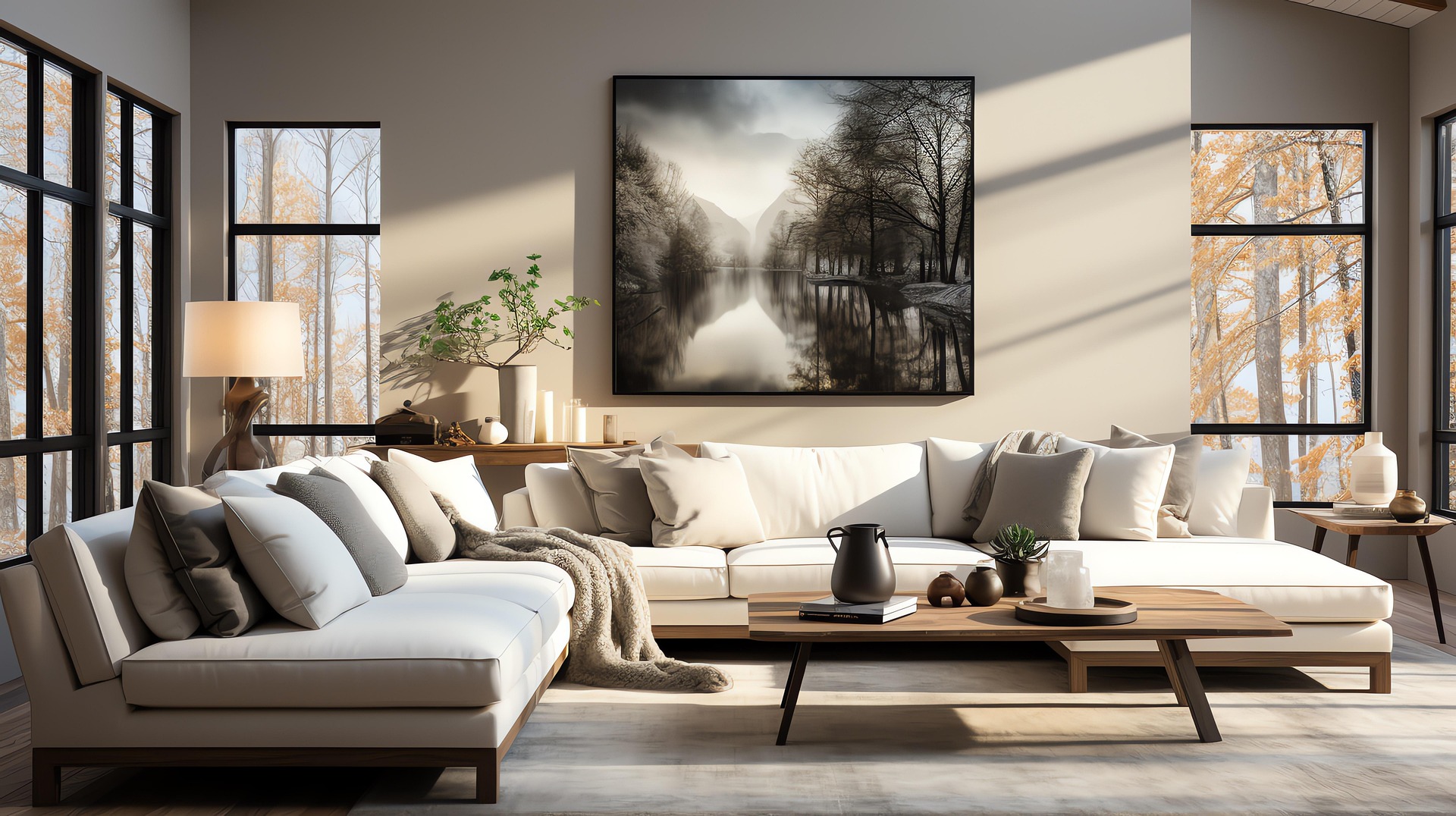
You do not need an expensive renovation to make your home look elegant. Sometimes, the biggest transformation comes from the walls. Plain walls can make a room feel unfinished, but adding texture, architectural details, or a carefully chosen paint treatment can create the appearance of a professionally designed interior.
The best part is that many DIY wall treatments can be completed with affordable materials and basic tools. From elegant picture-frame molding to modern limewash effects, these projects can transform an ordinary bedroom, living room, dining room, or hallway into a more sophisticated space.
Whether you prefer a minimalist interior, a warm organic aesthetic, or a classic luxury look, the right wall treatment can add depth and character without requiring expensive furniture or decorative accessories.
In this guide, you will discover 12 DIY wall treatments that make a room look more expensive, along with practical instructions for achieving each look on a budget.
1. Install Elegant Picture-Frame Molding
Picture-frame molding is one of the most effective ways to give a plain wall a high-end appearance. This classic wall treatment creates rectangular panels that add architectural detail and make a room feel more thoughtfully designed.
It works particularly well in living rooms, bedrooms, dining rooms, and entryways. The finished effect can resemble the decorative wall paneling found in traditional European interiors and luxury hotels.
For a modern look, use simple rectangular frames with clean lines. For a more traditional interior, choose molding with subtle decorative profiles.
How to create the look:
- Measure the wall and plan the size and spacing of each panel.
- Mark the layout with a pencil and level.
- Cut lightweight molding to the required lengths.
- Attach the pieces with an adhesive suitable for the wall and material.
- Fill visible joints and nail holes, then caulk the edges.
- Prime and paint the entire design for a seamless finish.
Painting the molding the same color as the wall creates a sophisticated, understated effect. Warm white, soft beige, muted gray, and deep green are excellent options.
2. Create a Modern Wood Slat Wall
A wood slat wall introduces warmth, texture, and a contemporary architectural feature. It is particularly popular in modern living rooms, bedrooms, home offices, and entertainment areas.
Vertical wooden slats can make a ceiling appear taller, while their repeated lines create a clean and structured design.
For a budget-friendly project, use evenly spaced timber battens or suitable decorative slat panels. Natural oak tones create a warm, organic appearance, while painted black or dark walnut finishes create a more dramatic effect.
How to create the look:
- Choose the wall section you want to transform.
- Measure the area and determine the spacing between slats.
- Prepare and finish the wood before installation if this makes the work easier.
- Attach the slats using suitable fixings for the wall construction.
- Check alignment regularly to keep the spacing consistent.
A slat wall works especially well behind a sofa, television, or bed. Covering one carefully chosen wall often creates a stronger focal point than adding slats throughout the room.
3. Try a Limewash Paint Effect
Limewash-style walls have a soft, cloudy appearance that adds depth without relying on bold patterns. The subtle variation in color creates an organic, textured finish that can make a room feel calm and luxurious.
This look works beautifully in bedrooms, living rooms, and dining spaces with natural materials such as linen, wood, stone, and woven accessories.
You can achieve a similar effect with decorative limewash paint or a compatible mineral-based wall finish. Follow the manufacturer’s instructions because application methods vary by product.
How to create the look:
- Clean the wall and repair any visible imperfections.
- Apply the recommended primer if required.
- Use the appropriate brush to apply the first coat in overlapping strokes.
- Add the next coat according to the product instructions, varying the brush direction to create movement.
- Allow the finish to dry fully before adding furniture or wall decorations.
Soft beige, warm white, mushroom, pale taupe, and muted terracotta create a refined appearance. The natural variation in the finish is part of its appeal, so the wall does not need to look perfectly uniform.
4. Add Vertical Wall Battens
Vertical wall battens offer a simple way to create architectural interest without installing elaborate paneling. This treatment uses narrow strips of wood or suitable trim attached vertically to the wall.
The repeated lines create a tailored, modern appearance and can help emphasize the height of a room.
Vertical battens are especially effective behind a bed, in a dining area, or along a plain living room wall. They can also be used in an entryway to create a custom-designed look.
For a minimalist finish, paint the battens and the wall in the same shade. This allows the shadows between the strips to create subtle depth.
For a stronger contrast, combine natural wood battens with a painted background.
Before installation, measure the wall carefully and mark each batten position. Consistent spacing is essential to achieving a professional result.
5. Install Board-and-Batten Wall Paneling
Board-and-batten paneling combines larger wall sections with vertical trim to create a structured decorative design. It is a versatile treatment that can work in farmhouse, traditional, transitional, and contemporary interiors.
The design is often installed on the lower portion of a wall, although full-height versions can create a more dramatic effect.
In a bedroom, board-and-batten paneling can make the wall behind the bed feel custom-built. In an entryway or hallway, it adds character to an otherwise plain space.
How to create the look:
- Decide how high the paneling should extend.
- Measure the wall and calculate the number and spacing of battens.
- Mark a level horizontal line for the top edge.
- Attach the horizontal and vertical trim using suitable fixings.
- Fill gaps, smooth joints, and paint the completed treatment.
A warm white finish creates a timeless look, while sage green, dusty blue, and charcoal can introduce more personality.
The key to an expensive-looking result is careful alignment and consistent spacing rather than elaborate materials.
6. Create a Two-Tone Painted Wall
A two-tone wall is an affordable alternative to more complex wall treatments. By dividing a wall into two colors, you can create visual structure and introduce contrast without installing additional materials.
One popular approach is to paint the lower section a darker color and the upper section a lighter shade. This can create the appearance of a traditional dado rail or modern color-blocked wall.
For a sophisticated palette, combine cream with taupe, warm white with olive green, or pale beige with terracotta.
How to create the look:
- Select two colors that complement the room.
- Decide where the color division should sit.
- Mark a straight line with a level.
- Apply painter’s tape along the boundary.
- Paint each section and remove the tape according to the paint instructions.
A narrow decorative trim can be added along the dividing line for a more traditional appearance.
This treatment is particularly useful in rental-friendly or budget-conscious decorating projects when you want a noticeable change without undertaking a full renovation.
7. Use Wallpaper on a Feature Wall
Wallpaper can introduce intricate patterns, subtle texture, or the appearance of expensive materials. Using it on one feature wall is often enough to transform a room without covering every surface.
For a sophisticated interior, consider designs inspired by linen, grasscloth, stone, delicate botanical patterns, or understated geometric shapes.
A textured neutral wallpaper can create an elegant backdrop in a bedroom, while a large-scale pattern can become the main feature in a dining room or living space.
How to create the look:
- Select a wall with minimal interruptions from windows and doors.
- Measure the area and purchase the required amount of wallpaper.
- Prepare the surface according to the wallpaper manufacturer’s instructions.
- Align the first strip carefully, using a level where appropriate.
- Apply the remaining strips while matching the pattern and smoothing out air bubbles.
Peel-and-stick wallpaper may be useful for some DIY projects, but its suitability depends on the wall finish, product quality, and room conditions.
Keep nearby decorations relatively simple so the wallpaper remains the main design feature.
8. Apply a Subtle Textured Paint Finish
A textured paint finish can make a plain wall look more dimensional and interesting. Instead of using a completely flat, uniform color, this technique introduces subtle variation through brushwork or a specialized decorative coating.
Depending on the product, the finish can resemble soft plaster, stone, or a gently weathered surface.
This treatment works particularly well in rooms decorated with natural materials and understated colors.
You can use a purpose-made textured paint or decorative wall coating. Some products require special tools or application methods, so test the technique on a sample board before working on the wall.
For an elegant look, choose colors such as warm ivory, sand, mushroom, or muted gray-beige.
A restrained finish is often more versatile than a heavily textured wall because it adds character without competing with the room’s other features.
9. Build a Faux Fireplace Wall
A fireplace often becomes the focal point of a living room, but not every home has one. A faux fireplace surround can introduce a similar architectural feature without installing a working fireplace.
A decorative surround can be made from suitable wood, trim, or other materials appropriate for the intended design. The center can remain empty or contain a decorative arrangement, depending on the structure and local safety requirements.
For a classic appearance, use a simple mantel with picture-frame molding or paneling around it. For a contemporary look, combine clean lines with a smooth painted finish.
How to create the look:
- Choose a wall with enough space for the surround.
- Plan the width and height to suit the room.
- Build or assemble a stable decorative frame.
- Secure the structure appropriately to the wall.
- Fill joints and paint the finished surround.
Warm white, soft gray, beige, and dark charcoal can all create a refined effect.
If the design will hold a television or heavy decorations, make sure the structure and fixings are rated for the load. A decorative surround should not be treated as a functional fireplace unless it is specifically designed and installed for that purpose.
10. Add a Large-Scale Geometric Wall Design
A geometric painted wall can create a modern, designer-inspired look with little more than paint, measuring tools, and painter’s tape.
This treatment uses shapes such as arches, rectangles, diagonal sections, or broad color blocks to create a visual focal point.
A painted arch behind a bed or console table can frame the furniture and make the arrangement feel intentional. Large geometric shapes can also bring personality to a home office or children’s room.
For a refined result, limit the design to two or three coordinated colors. Muted green, beige, cream, and clay tones work well in natural interiors, while navy and warm white create a crisp contemporary contrast.
Plan the layout before painting and check all measurements carefully. Clean edges and balanced proportions make the difference between a polished design and a busy-looking wall.
11. Install Decorative Wall Panels
Decorative wall panels can make a room feel more structured and luxurious by adding depth and architectural detail. Depending on the style, panels can create a smooth modern surface, a classic raised pattern, or a subtle three-dimensional effect.
Lightweight decorative panels made from suitable materials can be a practical option for DIY projects. Some designs are available as ready-made sections, while others can be created using trim attached directly to the wall.
Consider installing panels behind a bed, around a dining area, or on the main wall of a living room.
For a high-end appearance, choose a simple panel design and paint it in a single color. This emphasizes the shadows and contours rather than relying on contrasting colors.
Before installation, check the panel manufacturer’s recommendations for wall preparation, adhesives, and fixing methods. Panels should be attached securely and installed in accordance with any fire-safety requirements relevant to the material and location.
12. Create a Faux Stone or Concrete Accent Wall
Stone and concrete finishes are associated with contemporary architecture and upscale interiors. A faux version can introduce a similar visual effect without the cost or weight of installing natural stone.
A concrete-effect decorative paint finish works well in modern living rooms, bedrooms, and home offices. A faux stone treatment can complement rustic, Mediterranean, or organic interiors.
For a concrete-inspired appearance, choose a specialized coating designed to create cloudy variations in gray or warm beige. For a stone-like effect, consider suitable decorative panels or a paint technique designed for that purpose.
The result should complement the room rather than overpower it. One accent wall is often sufficient, especially in a small space.
Combine the finish with simple furniture, natural wood, soft textiles, and restrained lighting to create a balanced interior.
How to Choose the Right Wall Treatment for Your Room
The best wall treatment depends on your room’s size, lighting, existing furniture, and decorating style.
For a classic and elegant interior, picture-frame molding or board-and-batten paneling can create architectural character. For a modern space, wood slats, geometric paint designs, and concrete-effect finishes can introduce clean lines and texture.
In a small room, consider light colors and subtle wall treatments that add depth without overwhelming the space. A single feature wall can provide enough visual interest without making the room feel crowded.
For a budget-friendly makeover, start with paint. Two-tone walls, painted arches, and limewash-style finishes can create a noticeable transformation without requiring extensive construction.
Before starting any project, measure the wall, calculate material requirements, and test your chosen color or finish in the room’s actual lighting.
Common Mistakes to Avoid
A wall treatment can look expensive in inspiration photographs but less successful when the proportions or finish are poorly executed.
One common mistake is choosing a design that is too detailed for the room. Elaborate molding or multiple competing patterns can make a small space feel busy.
Another is neglecting preparation. Uneven walls, visible joints, rough edges, and poorly filled holes can reduce the quality of the final result.
Using the wrong primer or adhesive can also cause paint to peel or panels to detach. Always select products suitable for the wall surface and follow the manufacturer’s instructions.
Finally, consider how the wall treatment works with the rest of the room. The most cohesive interiors repeat a few colors, materials, or design details rather than introducing a completely different style on every wall.
Frequently Asked Questions
What is the cheapest way to make walls look expensive?
Painting is usually one of the most affordable ways to transform a wall. A two-tone paint treatment, a painted arch, or a subtle limewash-style finish can create visual interest without requiring expensive materials. Lightweight trim can also add architectural detail at a relatively low cost.
What wall treatments make a room look luxurious?
Picture-frame molding, wood slat walls, decorative paneling, limewash finishes, and carefully chosen wallpaper can all create a luxurious appearance. The result depends on the quality of the installation, the proportions of the design, and how well the treatment complements the room.
Are DIY wall panels worth it?
DIY wall panels can be worthwhile when you want to add architectural detail without replacing existing walls. They can improve the appearance of a plain room and create a focal point, provided the materials and installation method suit the wall and intended use.
Which wall treatment is best for a small bedroom?
A simple painted accent wall, subtle molding, or a restrained wood slat feature can work well in a small bedroom. Light colors and designs with clean lines often help the room feel open, while a single feature behind the bed can create a finished look.
Can you make walls look expensive without construction?
Yes. Paint effects, wallpaper, decorative wall decals, and carefully arranged wall trim can create a high-end appearance without major construction. The right combination depends on the existing wall condition and whether you own the property or need a removable solution.
How do you make DIY wall treatments look professional?
Accurate measurements, consistent spacing, careful surface preparation, and clean paint lines are essential. Use appropriate materials and tools, test finishes before applying them to a full wall, and allow sufficient drying and curing time.
Final Thoughts
You do not need a major renovation to give your home a more expensive appearance. Thoughtful DIY wall treatments can add architectural interest, texture, and color while making an ordinary room feel more complete.
Picture-frame molding offers timeless elegance, wood slats create a contemporary look, and limewash-style paint introduces subtle depth. If you prefer a simpler project, a two-tone wall or painted geometric design can transform your space with relatively few materials.
Choose one treatment that suits your room and complements your existing furniture. With careful planning, suitable materials, and attention to detail, you can create a beautiful, designer-inspired wall without spending a fortune.


Leave a Reply