
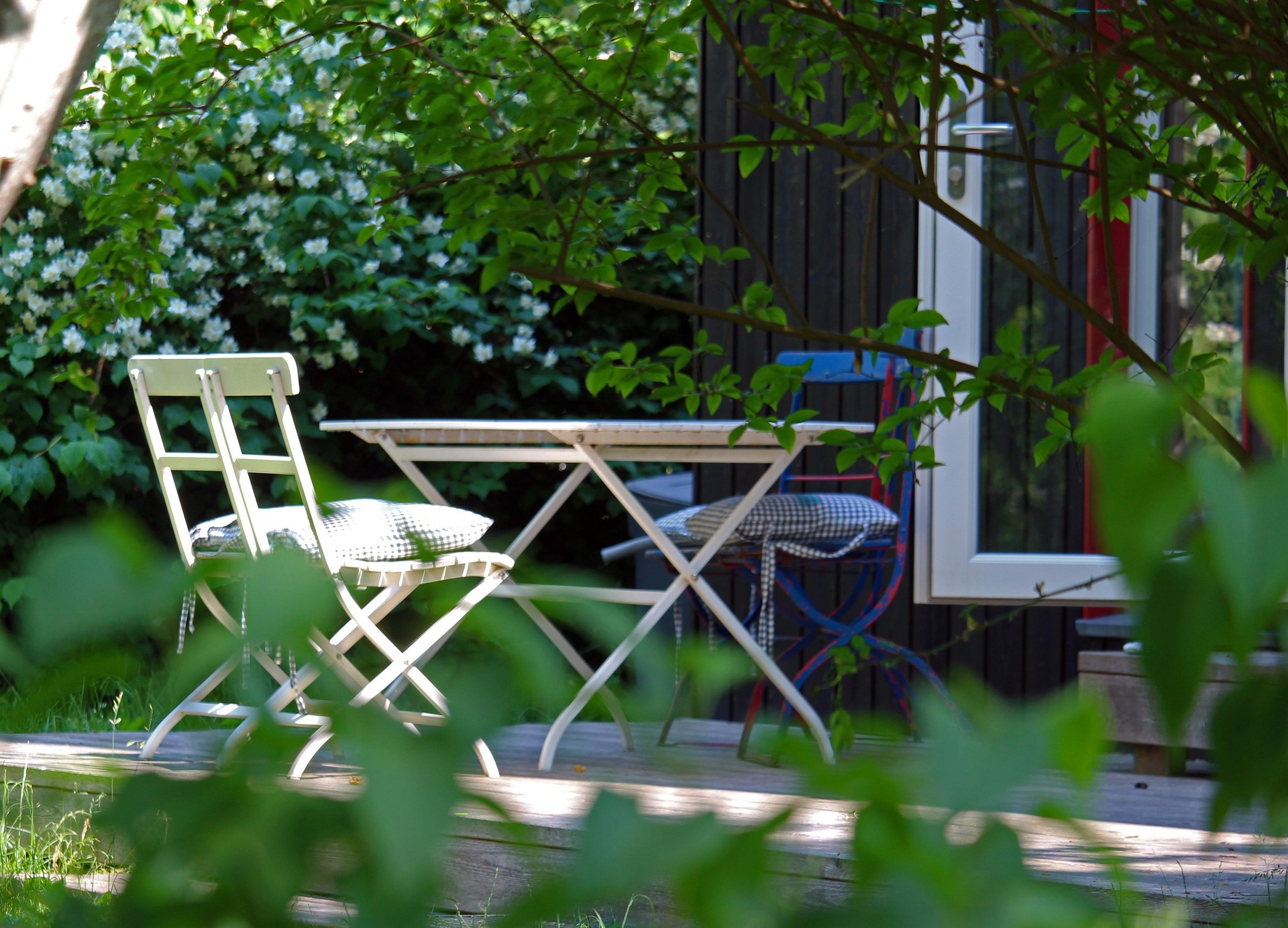
You don’t need a huge backyard or an expensive landscaping project to create a beautiful outdoor space. With a few creative DIY projects, you can turn a plain patio, small garden, or empty backyard into a relaxing place to grow plants, enjoy meals outdoors, and spend time with family and friends.
The best backyard and garden DIY ideas combine beauty with practicality. A simple raised planter can make gardening easier, a small greenhouse can protect young plants, and a DIY privacy screen can create a more comfortable outdoor retreat. Even a compact backyard can become more functional with clever storage, affordable furniture, and thoughtful design.
Whether you’re working with a tight budget, a small patio, or a spacious garden, these projects offer practical ways to improve your outdoor living area without a complete renovation.
In this guide, you’ll discover 19 budget-friendly backyard and garden projects, along with materials, step-by-step instructions, money-saving tips, and product recommendations to help you get started.
1. Build a Simple DIY Raised Garden Bed
A raised garden bed is an excellent way to grow vegetables, herbs, and flowers while keeping your planting area organized. It can also make gardening more comfortable by providing a clearly defined growing space.
Raised beds work particularly well in backyards with compacted soil or areas where you want to separate vegetables from grass.
Materials you’ll need:
- Untreated, durable lumber suitable for outdoor use
- Exterior-rated screws
- Measuring tape
- Drill and appropriate bits
- Soil and compost
- Landscape cardboard or another suitable weed-suppression method
How to build it:
- Choose a level location that receives the amount of sunlight your plants need.
- Measure and cut the boards to your preferred dimensions.
- Assemble the boards into a rectangular frame.
- Secure the corners with suitable exterior-rated screws.
- Place the frame on prepared ground.
- Fill it with suitable soil and compost.
- Plant vegetables, herbs, or flowers according to their growing requirements.
Use lumber appropriate for food-growing applications and avoid wood treated with chemicals unsuitable for vegetable gardens. Check the drainage and soil conditions before planting.
Budget tip: Start with one small bed and expand your garden as your budget allows.
Products to consider: Raised bed kits, garden soil, compost, hand trowels, and watering cans.
2. Create a Mini DIY Greenhouse
A mini greenhouse can help protect seedlings from wind, heavy rain, and cooler conditions while giving you more control over their growing environment.
You don’t need a large glass structure to get started. A small greenhouse made from a sturdy frame and clear greenhouse covering can work well for seedlings and selected container plants.
Materials:
- A suitable wooden or metal frame
- Clear greenhouse film or greenhouse panels
- Appropriate fasteners
- A small shelf or plant tray
- Ventilation openings
Steps to make it:
- Choose a location with suitable light and access to water.
- Build or assemble a stable frame.
- Attach greenhouse film or panels securely.
- Provide ventilation openings that can be adjusted.
- Place seedlings on trays or shelves.
- Monitor temperature, moisture, and plant health regularly.
Greenhouses can heat up quickly, even on mild sunny days. Ventilate them as needed and avoid letting temperatures rise beyond what your plants can tolerate. Secure the structure against wind and follow local requirements for larger installations.
Budget tip: A small portable greenhouse may cost less and take up less space than a permanent structure.
Products to consider: Mini greenhouse kits, seed trays, plant shelves, thermometers, and greenhouse covers.
3. Make DIY Wooden Planter Boxes
Planter boxes are a simple way to add greenery to patios, balconies, and backyard seating areas. They can also help define different parts of your outdoor space.
You can build a long rectangular planter for flowers, a compact box for herbs, or several small containers for a coordinated garden display.
How to make a basic planter:
- Decide what you want to grow and choose a suitable size.
- Cut untreated or otherwise plant-safe materials to fit.
- Assemble the sides and base using appropriate outdoor fasteners.
- Provide adequate drainage.
- Use a liner only if it is suitable for the planter design and does not block drainage.
- Fill with an appropriate growing medium and add your plants.
For food-growing containers, use materials suitable for growing edible plants. Keep drainage holes clear and use a container large enough for the plants’ roots.
Design tip: Use a consistent finish across several planters to create a polished patio look.
Budget tip: Repurpose suitable containers you already own, provided they are clean, durable, and have adequate drainage.
Products to consider: Wooden planter kits, large outdoor pots, potting mix, plant labels, and drainage accessories.
4. Build a DIY Garden Tool Storage Station
Garden tools can quickly clutter a shed, garage, or backyard corner. A dedicated storage station keeps everything organized and makes it easier to find the tools you need.
A simple wall-mounted rack can hold lightweight hand tools, while a freestanding organizer can accommodate larger equipment if it is designed for the load.
Materials:
- A sturdy board or suitable storage panel
- Hooks and holders rated for the intended tools
- Screws and mounting hardware
- Measuring tape
- Optional weather-resistant finish
How to organize your tools:
- Group tools by type and size.
- Choose a dry, accessible storage location.
- Install a suitable rack or storage panel.
- Place frequently used hand tools at a convenient height.
- Store long-handled tools in stable holders.
- Clean and dry tools before putting them away.
Keep sharp tools securely stored, and make sure heavier tools cannot fall from their holders.
If the storage station is outdoors, use materials and fasteners suitable for the weather conditions.
Budget tip: Reuse a sturdy board and suitable hooks instead of buying a complete garden storage system.
Products to consider: Garden tool racks, wall hooks, storage sheds, tool organizers, and weather-resistant storage boxes.
5. Create a DIY Backyard Privacy Screen
A privacy screen can make your backyard feel more secluded and comfortable, particularly if neighboring windows overlook your patio or garden.
You can build a decorative screen from wooden slats, use outdoor lattice panels, or arrange tall planters to create a natural barrier.
Materials for a simple wooden screen:
- Outdoor-rated timber or suitable prefabricated panels
- Exterior screws
- Posts and appropriate mounting hardware
- Measuring tape and level
- Outdoor finish suitable for the material
Steps:
- Measure the area where you want privacy.
- Check property boundaries and any local restrictions.
- Choose a screen design that complements your outdoor space.
- Install posts or supports appropriate for the screen’s height and wind exposure.
- Attach the panels securely.
- Apply a suitable outdoor finish if required.
Tall privacy screens can catch strong winds, so proper anchoring is essential. If you’re renting, consider movable planters, freestanding screens, or outdoor curtains on a stable frame.
Budget tip: Use a row of large planters with tall, suitable plants if you don’t want to build a permanent screen.
Products to consider: Privacy panels, outdoor lattice, planter boxes, tall planters, and outdoor curtains.
6. Build a DIY Outdoor Dining Table
An outdoor dining table can turn a simple patio into a practical space for family meals, weekend brunches, and gatherings with friends.
A basic rectangular table is often the easiest design for beginners. Choose materials that can withstand your local weather and support the intended load.
Materials:
- Durable outdoor-suitable lumber
- Exterior-rated screws and brackets
- A saw and drill
- Measuring tape
- Sandpaper
- Appropriate outdoor wood finish
How to build it:
- Measure the available patio or garden area.
- Decide how many people the table should accommodate.
- Build a stable frame with securely attached legs.
- Attach the tabletop boards with appropriate spacing for drainage and movement.
- Sand rough edges.
- Apply a suitable outdoor finish.
- Check the table for stability before using it.
If woodworking isn’t your preference, you can refresh an existing table with an outdoor-rated finish or use a ready-made table with DIY decorations.
Budget tip: Look for a sturdy secondhand table that can be repaired or refinished.
Products to consider: Outdoor dining tables, patio chairs, exterior wood finishes, and weather-resistant table covers.
7. Turn Pallets Into Garden Furniture
Wooden pallets can sometimes be repurposed into garden furniture, including benches, plant stands, and simple outdoor seating.
However, not every pallet is suitable for reuse. Choose clean, structurally sound pallets with markings that indicate appropriate treatment, and avoid pallets with unknown chemical contamination, spills, or strong odors.
A simple pallet bench project:
- Select pallets in good condition.
- Inspect for broken boards, protruding nails, and splinters.
- Clean and prepare the wood.
- Sand the surfaces thoroughly.
- Assemble the pieces with suitable fasteners and structural support.
- Apply an outdoor finish appropriate for the material.
- Test the finished bench for stability before use.
A pallet’s original construction does not automatically make it safe for seating. Reinforce the design as needed, and never use an unstable pallet stack as a bench.
Add weather-resistant cushions for comfort and store them indoors when not in use.
Budget tip: Pallet projects can be inexpensive if you already have suitable materials and tools.
Products to consider: Outdoor cushions, sanding tools, exterior finishes, and patio furniture covers.
8. Create a Vertical Herb Garden
A vertical herb garden is ideal when you want to grow fresh herbs but have limited ground space.
It can fit against a patio wall, near a kitchen door, or in a sunny backyard corner.
What you’ll need:
- Suitable wall-mounted planters or a stable freestanding frame
- Containers with drainage holes
- Potting mix appropriate for herbs
- Herb seedlings or seeds
- A watering can
How to create your garden:
- Choose a location with suitable sunlight for your selected herbs.
- Install a stable rack or planter system.
- Place containers at accessible heights.
- Plant herbs according to their individual spacing and growing needs.
- Water according to the plants’ requirements.
- Harvest regularly to encourage healthy growth where appropriate.
Basil, parsley, chives, and thyme can be useful choices, depending on your climate and sunlight conditions. Mint is often best grown in its own container because it can spread aggressively.
Make sure the wall or frame can support the weight of wet soil and containers.
Budget tip: Reuse suitable pots and arrange them on an existing sturdy shelf.
Products to consider: Vertical planters, herb seed kits, potting mix, plant markers, and watering cans.
9. Make a DIY Garden Path
A garden path can improve access to planting beds while giving your backyard a more finished appearance.
It doesn’t have to be complicated. Stepping stones, gravel, or suitable pavers can create a practical walkway through a lawn or garden.
How to make a simple path:
- Mark the route with string or a garden hose.
- Check that the path leads somewhere useful and doesn’t interfere with drainage.
- Remove vegetation and prepare the ground.
- Create a suitable base for your chosen path material.
- Lay stepping stones or pavers securely.
- Fill gaps with appropriate material if required.
- Check that the surface is stable and not slippery.
The correct base depends on your soil, climate, and chosen materials. Follow the manufacturer’s instructions for pavers and consider professional advice for paths on slopes or areas with drainage problems.
Budget tip: A short stepping-stone path may be enough to connect the patio with the garden beds.
Products to consider: Stepping stones, pavers, gravel, landscape edging, and garden tools.
10. Build a DIY Outdoor Storage Bench
An outdoor storage bench combines seating with a place to keep gardening gloves, cushions, small tools, or other patio accessories.
It can work well beside a garden table, near an entryway, or against a backyard wall.
Materials:
- Outdoor-suitable lumber or a purpose-built storage bench
- Exterior-rated screws
- Hinges or suitable lid supports
- Weather-resistant finish
- Optional storage liner designed for outdoor use
How to make one:
- Measure the space where the bench will sit.
- Choose a design with a stable frame and suitable load capacity.
- Assemble the base and sides.
- Add a secure lid or hinged top.
- Sand rough surfaces and apply an appropriate finish.
- Make sure water can drain and moisture cannot become trapped inside.
- Test the structure for stability before sitting on it.
If storing cushions, consider a weather-resistant storage box designed to protect textiles. Even outdoor storage boxes may need ventilation and occasional drying.
Budget tip: A ready-made outdoor storage box can be more practical than building a bench from scratch.
Products to consider: Storage benches, outdoor storage boxes, weather-resistant cushions, and patio organizers.
11. Create a DIY Outdoor Lighting Setup
Outdoor lighting makes patios, garden paths, and dining areas more inviting after sunset.
Solar lights are a simple option because they generally don’t require household wiring. They work best in locations that receive sufficient sunlight during the day.
Easy outdoor lighting ideas:
- Place solar stake lights along a garden path.
- Hang outdoor-rated string lights over a dining area.
- Add lanterns to patio tables.
- Use low-level lighting around seating areas.
- Highlight selected plants or garden features.
Choose products rated for outdoor use and install them according to the manufacturer’s instructions.
For mains-powered lighting, use equipment and installation methods appropriate for outdoor conditions. Have fixed electrical work completed by a qualified professional.
Budget tip: Start with a few solar path lights and add more only where needed.
Products to consider: Solar garden lights, outdoor string lights, weather-rated lanterns, and rechargeable outdoor lamps.
12. Make a DIY Compost Bin
Composting can turn suitable kitchen scraps and garden waste into useful soil amendments while reducing the amount of organic waste you throw away.
A simple compost bin can be made from a purpose-built container or a properly designed wooden enclosure.
What you need:
- A suitable compost bin or enclosure
- A mix of green and brown compostable materials
- A garden fork or compost aerator
- Access to water if needed
How to get started:
- Choose a suitable location with good drainage.
- Add a mixture of green materials, such as vegetable scraps, and brown materials, such as dry leaves and untreated cardboard.
- Maintain a balance of materials rather than filling the bin with only food scraps.
- Keep the pile appropriately moist, not waterlogged.
- Turn or aerate it periodically if your system requires it.
- Monitor for odors and pests.
Avoid adding meat, dairy, oils, pet waste, or other unsuitable materials to a basic backyard compost system. Follow local composting guidance, especially where pests or wildlife are a concern.
Budget tip: Use a suitable existing container or build a simple enclosure from untreated materials.
Products to consider: Compost bins, compost aerators, garden forks, and kitchen compost caddies.
13. Build a Simple DIY Garden Trellis
A trellis gives climbing plants a structure to grow on, helping you use vertical space while adding height and interest to your garden.
It can be useful for climbing flowers, certain vegetables, and ornamental vines.
Materials:
- Outdoor-suitable wood or a sturdy trellis panel
- Appropriate fasteners
- Posts or mounting hardware
- Measuring tape
- Plant ties
Steps:
- Choose a location that meets the plant’s sunlight needs.
- Select a trellis design suitable for the plant’s expected size and weight.
- Install the supports securely.
- Position the trellis before planting if that is easier for your chosen design.
- Guide young stems gently toward the structure.
- Use suitable plant ties where needed.
Some climbing plants become heavy, particularly when wet. Make sure the trellis and its supports can handle the expected load.
Budget tip: A basic garden trellis panel can be an affordable alternative to custom carpentry.
Products to consider: Trellis panels, garden stakes, plant ties, climbing plant seeds, and garden twine.
14. Design a Small Backyard Seating Area
Even a small backyard can become a relaxing retreat with a thoughtfully arranged seating area.
The goal is to create a comfortable place to sit without overwhelming the available space.
How to design your seating area:
- Choose a level location with suitable shade or sun exposure.
- Measure the space and leave clear walking routes.
- Add a compact bench or two outdoor chairs.
- Use a small side table for drinks and snacks.
- Add weather-resistant cushions and a few planters.
- Include outdoor lighting if you plan to use the area in the evening.
For small patios, folding chairs and nesting tables can provide flexibility. If the area receives strong sun, consider a suitable umbrella or shade structure.
Budget tip: Refresh existing chairs with outdoor cushions instead of buying a complete patio furniture set.
Products to consider: Compact patio sets, folding chairs, outdoor cushions, side tables, and shade umbrellas.
15. Create a DIY Rainwater Collection System
Collecting rainwater can help reduce the amount of treated water used for certain garden tasks, depending on local regulations and rainfall patterns.
A simple system may consist of a suitable rain barrel connected to a downspout using a purpose-built diverter.
How to set it up:
- Check local rules regarding rainwater collection.
- Choose a suitable barrel with a secure lid.
- Place it on a stable, level base designed to support its full weight.
- Install an appropriate downspout diverter.
- Add screened openings to help prevent debris and mosquitoes.
- Include an overflow route that directs excess water away from foundations.
- Inspect the system regularly for leaks and blockages.
A full water barrel can be extremely heavy, so the support must be properly designed. Keep collected water covered and clearly separate from drinking water. Use it only for appropriate purposes and follow local guidance for edible crops.
Budget tip: A small, purpose-built rain barrel may be easier to install and maintain than a large custom system.
Products to consider: Rain barrels, downspout diverters, screened lids, watering cans, and hose attachments.
16. Build a DIY Potting Bench
A potting bench provides a dedicated workspace for planting seedlings, filling containers, and organizing gardening supplies.
Instead of spreading soil and tools across a patio table, you can keep everything in one convenient area.
Materials:
- A sturdy outdoor-suitable table or workbench
- A suitable work surface
- Storage hooks or small shelves
- Containers for soil and tools
- Optional outdoor finish
How to create a potting station:
- Choose a level location near your garden or water source.
- Select a stable table at a comfortable working height.
- Add shelves or hooks for frequently used tools.
- Keep potting mix in a suitable covered container.
- Use a tray to catch loose soil.
- Clean the work surface after each use.
If building the bench yourself, use materials suitable for outdoor conditions and ensure the frame can safely support heavy bags of soil.
Budget tip: Repurpose a sturdy old table and add weather-resistant storage containers.
Products to consider: Potting benches, garden tool hooks, soil storage bins, plant trays, and gardening gloves.
17. Make a DIY Flower Bed Border
A defined garden border can make your backyard look more organized by separating flower beds from grass, gravel, or paths.
You can use suitable pavers, natural stone, or untreated timber intended for outdoor landscaping.
How to create a simple border:
- Mark the outline of the flower bed.
- Remove grass and weeds along the planned edge.
- Prepare the ground according to the chosen border material.
- Place the edging securely.
- Check that the finished border is level and stable.
- Add soil or mulch where appropriate.
Avoid materials that can release harmful substances into soil where you’re growing edible plants. Choose a design that suits your climate and won’t create a tripping hazard.
Budget tip: Start with a short border around the most visible flower bed.
Products to consider: Garden edging, landscape pavers, mulch, hand tools, and landscape fabric where suitable.
18. Create an Outdoor Dining Area With a DIY Shade Solution
A comfortable outdoor dining area needs more than a table and chairs. Shade can make the space more enjoyable during sunny weather.
Depending on your backyard, a patio umbrella, a suitable shade sail, or an outdoor pergola may provide a practical solution.
How to choose the right option:
- Measure the dining area.
- Consider the direction of the sun throughout the day.
- Check the shade structure’s wind rating and mounting requirements.
- Choose outdoor-rated materials.
- Leave enough room for chairs to move comfortably.
- Make sure water can drain away from the seating area.
Shade sails and pergolas must be securely anchored for the conditions they will experience. Take down or secure equipment as instructed during strong winds.
Budget tip: A well-sized patio umbrella may be more affordable than a permanent structure.
Products to consider: Patio umbrellas, shade sails, outdoor dining furniture, and weather-resistant table covers.
19. Start a Container Garden for Small Backyards
If your backyard has limited soil or paved surfaces, a container garden can help you grow flowers, herbs, and vegetables without creating permanent garden beds.
Containers can also be moved to make room for outdoor dining or other activities.
How to start:
- Choose containers with suitable drainage holes.
- Select plants that match your sunlight and climate.
- Use a growing medium appropriate for the plant type.
- Group plants with similar watering needs.
- Position larger containers where they won’t block pathways.
- Check soil moisture regularly, especially during hot weather.
Remember that containers can dry out faster than garden beds. Large pots may be more forgiving in hot conditions, while lightweight containers are easier to move.
Budget tip: Reuse clean containers designed for planting, or choose affordable nursery pots and place them inside decorative outer pots.
Products to consider: Outdoor planters, self-watering pots, potting mix, saucers, and watering cans.
How to Plan a Backyard DIY Makeover on a Budget
You don’t need to complete every project at once. A practical plan helps you focus your money on the improvements that will make the biggest difference.
Step 1: Identify your main goal
Decide what your backyard needs most. You may want a vegetable garden, a comfortable dining area, more privacy, or better storage for tools.
Step 2: Measure the available space
Measure the patio, garden beds, paths, and areas around doors. This helps you choose furniture and planters that fit without blocking movement.
Step 3: Prioritize useful projects
Start with projects that solve everyday problems, such as a garden tool rack, raised bed, or compact seating area.
Step 4: Reuse materials where practical
Repurpose suitable pots, tables, containers, and furniture. Inspect reused materials carefully and avoid anything contaminated or structurally unsafe.
Step 5: Choose durable outdoor materials
Outdoor projects face sunlight, moisture, wind, and temperature changes. Select appropriate materials, fasteners, finishes, and fabrics to reduce maintenance.
Step 6: Add decorative details last
Once the functional elements are in place, add cushions, planters, lighting, and other decorative touches.
Best Products for Backyard and Garden DIY Projects
If you want to make your garden more functional without building every item from scratch, these product categories are worth considering.
| Product | Best use | What to look for |
|---|---|---|
| Raised garden bed kit | Growing vegetables and flowers | Durable, plant-suitable materials |
| Mini greenhouse | Protecting seedlings | Ventilation and a stable frame |
| Outdoor planters | Flowers, herbs, and vegetables | Drainage and suitable size |
| Garden tool rack | Organizing hand tools | Secure mounting and tool capacity |
| Outdoor privacy screen | Creating a secluded seating area | Stability and weather resistance |
| Patio dining set | Outdoor meals | Durable materials and suitable dimensions |
| Outdoor storage box | Storing cushions and accessories | Weather resistance and drainage considerations |
| Vertical planter | Growing plants in limited space | Stable support and easy watering |
| Solar garden lights | Illuminating paths and seating | Outdoor rating and adequate sunlight |
| Potting bench | Organizing gardening work | Stability and weather-resistant construction |
| Garden trellis | Supporting climbing plants | Strength and suitable mounting |
| Rain barrel | Collecting rainwater | Secure lid, stable base, and overflow control |
Measure your available space before buying. Check product dimensions, maintenance requirements, weather suitability, and installation instructions.
Frequently Asked Questions
What are the easiest backyard DIY projects for beginners?
Container gardening, a simple garden tool station, outdoor planters, solar lighting, and a small seating area are good starting points. These projects usually require less construction than a permanent greenhouse or large outdoor structure.
How can I improve my backyard on a small budget?
Start by cleaning the space, rearranging existing furniture, and defining the main areas. Add affordable planters, improve tool storage, and focus on one useful project at a time rather than renovating the entire backyard.
What can I build in a small garden?
You can build a raised garden bed, a vertical herb garden, a compact potting bench, a small trellis, or a narrow planter box. Choose designs that fit your available space and the needs of the plants you want to grow.
How do I create privacy in my backyard without building a fence?
Try tall planters, suitable screening plants, outdoor curtains, or a movable privacy panel. Choose a stable solution that suits your local conditions and check any applicable property restrictions.
Is a mini greenhouse worth it?
A mini greenhouse can be useful if you start seedlings, grow plants that need extra protection, or want a more controlled growing environment. Its value depends on your climate, the plants you grow, and whether you can provide adequate ventilation and maintenance.
What is the best way to store garden tools outdoors?
Use a weather-resistant shed, storage box, or securely mounted tool rack in a protected area. Clean and dry tools before storing them, and keep sharp tools secured away from children.
How can I make a small backyard suitable for outdoor dining?
Choose a compact table and chairs, leave clear walking routes, and add a suitable umbrella or shade structure. Use planters and outdoor lighting to create a welcoming atmosphere without filling every available corner.
Final Thoughts
A beautiful backyard doesn’t have to come with a large price tag. With thoughtful planning and a few practical DIY projects, you can create a space that supports gardening, outdoor dining, relaxation, and everyday storage.
Start with one project that solves your biggest problem. Build a raised bed if you want to grow vegetables, create a tool station if your equipment is cluttered, or add a compact dining area if you want to enjoy more time outdoors.
The best backyard and garden DIY ideas are those that combine usefulness, durability, and personal style. Make small improvements over time, choose materials suited to your local weather, and enjoy creating an outdoor space that works for you.


Leave a Reply