
20 Genius Ideas for Small Kitchens
With a few creative projects and smart organizing techniques, you can transform your kitchen using items you already own, affordable materials, and simple DIY solutions.
Whether you’re working with a tiny apartment kitchen, a busy family kitchen, or a pantry that needs a complete refresh, these DIY kitchen organization ideas will help you maximize every inch of space while keeping everyday essentials within easy reach.
From clever small kitchen storage ideas and budget-friendly cabinet upgrades to a simple pantry organization DIY makeover, here are 20 practical ways to make your kitchen more organized without overspending.
1. Install a DIY Spice Rack
Spice jars can quickly take over kitchen cabinets and countertops. A simple spice rack keeps your seasonings organized, visible, and easy to access while cooking.
You can create a wall-mounted spice rack using a small wooden shelf, repurpose a narrow existing shelf, or organize spice containers inside a cabinet using a tiered organizer.
For a coordinated appearance, use matching containers and label each one clearly.
How to organize your spices:
- Remove all your spice jars and check their freshness.
- Group them by type or frequency of use.
- Choose a rack or shelf that fits your available space.
- Label containers so you can identify ingredients quickly.
- Place frequently used seasonings within easy reach.
Budget tip: Before buying new jars, reuse suitable containers you already own. Make sure they are clean, dry, food-safe, and airtight.
2. Maximize Vertical Space With Wall-Mounted Storage
When counter space is limited, your walls can provide valuable extra storage.
Wall-mounted shelves, rails, hooks, and organizers can hold lightweight kitchen accessories while freeing up space inside cabinets.
You could install a shelf above a worktop, use hooks for frequently used utensils, or hang mugs from a suitable rack.
For a small kitchen, vertical storage helps keep everyday items accessible without overcrowding drawers.
Small kitchen storage ideas to try:
- Add a narrow shelf for spices or cooking oils.
- Use a rail with hooks for suitable utensils.
- Hang mugs beneath a properly installed shelf.
- Store lightweight baskets on sturdy shelving.
- Use wall space for a small cookbook display.
Always check the wall type and the weight limits of mounting hardware before installation. Keep storage away from heat sources and areas where it could interfere with cooking.
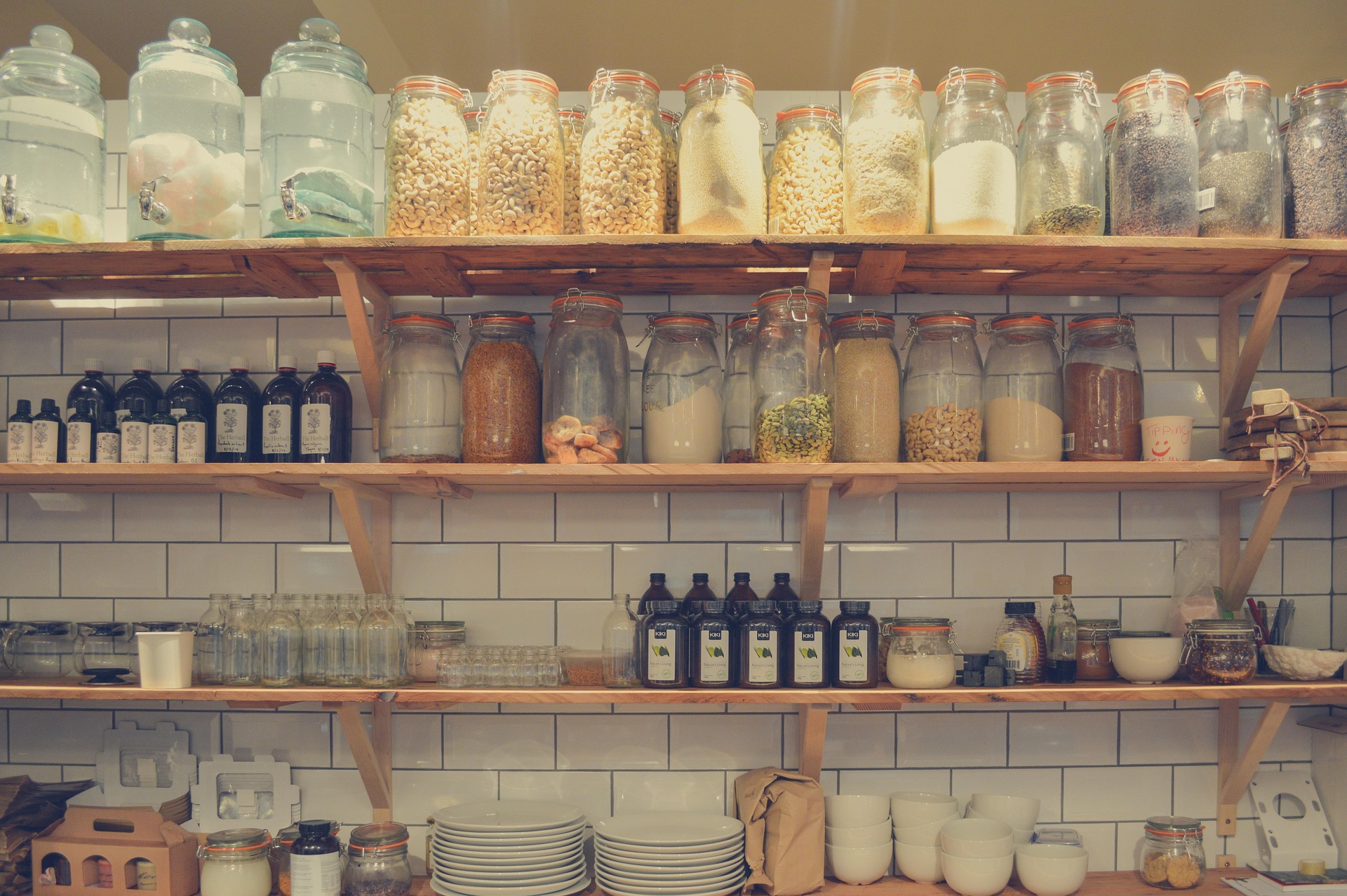
3. Create a DIY Pantry Organization System
A well-organized pantry makes meal preparation easier and helps you see which ingredients you already have.
You don’t need a walk-in pantry or expensive matching containers. Even a single cupboard can become more functional with a few inexpensive organizers and a clear system.
Start by removing everything from the pantry. Check expiration dates, wipe the shelves, and group similar ingredients together.
Create separate zones for baking supplies, breakfast foods, canned goods, snacks, pasta, rice, and frequently used ingredients.
Transfer dry foods into suitable airtight, food-safe containers when practical, and label each container with its contents. Keeping the original packaging information can be useful for cooking instructions and allergen details.
Budget tip: Use existing baskets and containers before purchasing a new set. Reuse only containers that are clean, food-safe, and suitable for the ingredients being stored.
4. Use Drawer Dividers to Organize Kitchen Utensils
Kitchen drawers can become messy when spatulas, measuring spoons, cutlery, and other utensils are mixed together.
Drawer dividers provide a simple way to create separate sections for different items.
You can purchase adjustable organizers or make a basic DIY version using suitable wooden dividers. For a temporary solution, small organizers you already own may work just as well.
Measure the drawer before purchasing anything so the dividers fit properly.
Group utensils by function, placing frequently used tools near the front and less frequently used items toward the back.
Budget tip: Repurpose clean, sturdy containers to separate small items inside a drawer, provided they fit securely and can be cleaned easily.
5. Upgrade Kitchen Cabinets With Affordable Organizers
Deep kitchen cabinets often waste valuable space because items become stacked on top of one another.
Simple organizers can make these cabinets more accessible without replacing the cabinetry.
Consider adding a shelf insert for plates, a pull-out organizer for suitable cookware, or a turntable for bottles and condiments.
For cabinets beneath the sink, use organizers that fit around the plumbing and keep cleaning supplies separate from food and cookware.
Before buying anything, measure the cabinet’s width, depth, height, and door clearance.
Cheap kitchen cabinet upgrades include:
- Shelf risers for cups and plates.
- Pull-out baskets for suitable supplies.
- Adjustable dividers for baking trays.
- Turntables for bottles and condiments.
- Small bins for packaged snacks.
Budget tip: Try rearranging your existing items first. Sometimes placing plates vertically in a suitable rack or grouping similar products together creates enough extra space.
6. Make a DIY Under-Sink Storage Organizer
The cabinet beneath the kitchen sink often becomes a cluttered collection of cleaning products, sponges, rubbish bags, and spare supplies.
A simple organizing system can make this area much easier to use.
Begin by removing everything and checking for leaks or dampness. Clean the cabinet, discard empty containers, and group remaining supplies by category.
Use suitable baskets or bins to separate dishwashing products, cleaning cloths, rubbish bags, and other essentials.
If pipes occupy part of the cabinet, choose organizers that fit around them without blocking access to plumbing connections.
Keep chemicals in their original labeled containers and follow their storage instructions. Never mix cleaning products, particularly bleach with ammonia or acids.
Budget tip: Reuse suitable containers you already own instead of purchasing a complete organizer set.
7. Create Extra Counter Space With a DIY Mug Station
Coffee mugs, tea bags, sugar, and coffee accessories can take up a surprising amount of counter space.
A small beverage station can keep everything organized in one convenient area.
Use an existing tray, a compact shelf, or a suitable section of your countertop to group your coffee or tea essentials.
If you have limited space, consider storing mugs on a properly mounted shelf or inside a cabinet with a dedicated section for cups.
Keep hot appliances away from water, ensure electrical cords are safely positioned, and follow the appliance manufacturer’s clearance requirements.
Budget tip: You don’t need to buy a dedicated coffee bar. A tray and a few items you already own can create a neat, functional station.
8. Use Clear Containers for Better Pantry Storage
Clear containers make it easier to identify pantry ingredients without opening multiple packages.
They can be especially helpful for frequently used dry goods such as flour, rice, pasta, oats, and cereal.
Choose containers that are food-safe, airtight, and easy to clean. Different sizes can help you use shelf space efficiently.
Label each container with the ingredient name and, when useful, the purchase or best-before information.
Keep ingredients in suitable storage conditions, away from excessive heat, moisture, and direct sunlight.
Budget tip: Start with only the ingredients you use most often rather than purchasing dozens of containers at once.
Clear containers can make a pantry look coordinated, but they aren’t essential for an organized kitchen. Proper labeling and grouping can work just as well with original packaging.
9. Organize Pot Lids With a Simple DIY Rack
Pot lids are awkward to store because they can slide around, become stacked together, or take up too much cabinet space.
A lid organizer can keep them upright and make it easier to find the correct lid when cooking.
Depending on your cabinet layout, you could use a suitable vertical rack, an adjustable organizer, or a secure holder designed for cookware lids.
Measure the space before choosing a solution, and make sure the organizer can support the weight and shape of your lids.
Budget tip: If you already own a sturdy rack that fits the cabinet, repurpose it for lid storage instead of buying a new product.
Avoid improvised installations that could fall when the cabinet door opens or when cookware is removed.
10. Transform the Space Above Your Refrigerator
The area above the refrigerator is often overlooked, even though it can provide useful storage in some kitchens.
If the appliance design and manufacturer instructions allow it, use this area for lightweight items you don’t need every day, such as cookbooks or suitable storage containers.
Avoid storing heavy objects where they could fall, and never block required ventilation or cooling clearances.
If the refrigerator is enclosed by cabinets, make sure any storage additions are compatible with the installation.
Budget tip: A small existing basket can keep lightweight items grouped together, making the area look less cluttered.
11. Create a DIY Cutting Board Organizer
Cutting boards can be difficult to store neatly, especially when several sizes are stacked inside a crowded cabinet.
A vertical organizer helps keep boards separated and makes it easier to remove the one you need.
You can use a suitable cabinet rack or a sturdy divider designed for the size and weight of your boards.
Store boards only after they have been washed and dried thoroughly. Keep raw-meat preparation boards separate from boards used for ready-to-eat foods, and follow safe food-handling practices.
Budget tip: Before purchasing an organizer, check whether an existing cabinet divider can be adjusted to hold your boards upright.
12. Add a DIY Hanging Basket for Extra Storage
Hanging baskets can provide extra storage for lightweight kitchen items without occupying valuable counter space.
Depending on your kitchen layout, you might use a properly mounted basket for fruit, packaged snacks, or other suitable items.
Choose a basket that is easy to clean and appropriate for the food or objects being stored. Fresh produce needs suitable airflow and storage conditions, so avoid placing items in enclosed baskets if they require ventilation.
Make sure the mounting system can safely support the intended weight.
Budget tip: Repurpose a suitable basket you already own instead of buying a decorative storage set.
Keep hanging storage away from hot appliances and areas where it could obstruct movement.
13. Upgrade Kitchen Cabinet Doors With Hooks or Rails
The inside of a cabinet door can provide extra storage space for lightweight kitchen accessories.
Depending on the door’s construction and clearance, you might add suitable hooks or a narrow organizer for items such as measuring spoons, oven mitts, or small cleaning cloths.
Before installing anything, check that the cabinet door can still close completely and that the added weight won’t damage the hinges.
Avoid placing heavy objects or sharp tools where they could fall when the door opens.
Budget tip: Removable hooks may work for some lightweight items, but choose products designed for the surface and weight involved.
This simple DIY kitchen organization project can help free up drawer space without changing the cabinet’s overall appearance.
14. Create a Dedicated Baking Station
If you enjoy baking, keeping flour, sugar, measuring cups, baking trays, and other supplies together can make your kitchen much easier to use.
A dedicated baking station doesn’t require a separate counter or cabinet. You can create one shelf or drawer for the items you use most often.
Store dry ingredients in suitable containers, group measuring tools together, and keep baking trays in an organizer that fits your cabinet.
If you have children, store sharp tools and ingredients that require special handling safely out of reach.
Budget tip: Reorganize an existing cabinet by moving baking supplies into one dedicated area before purchasing additional storage.
15. Use the Inside of Your Pantry Door
The inside of a pantry door can provide additional storage for lightweight, frequently used items.
A suitable door-mounted organizer may hold packets, small containers, or other pantry essentials, depending on its design and weight limits.
Before installing one, check the door’s construction, hinge capacity, and available clearance. Make sure the organizer won’t collide with shelves when the door closes.
Keep food items securely stored and avoid placing heavy containers overhead.
Budget tip: If a permanent organizer isn’t practical, use a small labeled basket on an existing shelf to create a similar category-based system.
16. Organize Food Storage Containers and Lids
Food storage containers are useful, but mismatched lids and nested containers can quickly turn a cabinet into a mess.
The easiest solution is to group containers by size and store their lids separately in a suitable divider.
Start by matching every container with its lid. Remove damaged pieces and recycle or dispose of them according to local rules where possible.
Stack containers of the same shape together and place lids upright in a rack or organizer.
Budget tip: Store lids vertically in a suitable existing container rather than purchasing a dedicated lid organizer.
Keeping the system simple makes it easier to maintain after busy cooking sessions.
17. Make Better Use of Narrow Kitchen Gaps
Small gaps between appliances or cabinets may offer storage opportunities, depending on the layout.
A narrow rolling cart can sometimes fit between cabinets or beside a refrigerator, providing space for pantry supplies, bottles, or other lightweight items.
Measure the gap carefully, including the clearance needed to pull the cart out. Avoid blocking appliance ventilation, electrical outlets, or access to plumbing.
Only use a cart where the floor is level and the unit remains stable.
Budget tip: Before buying a rolling cart, see whether an existing narrow shelf or compact organizer can serve the same purpose.
Not every gap should be filled. Leaving enough room for appliance maintenance and safe movement is more important than maximizing storage at all costs.
18. Label Your Pantry for a More Organized Kitchen
Labels can make a pantry easier to maintain because everyone can quickly identify where ingredients belong.
You can use simple adhesive labels, a label maker, or handwritten labels on suitable containers.
Create clear categories for baking supplies, grains, snacks, canned foods, and breakfast items.
For shared households, labels can also help family members return items to the correct place after cooking.
Budget tip: Use paper labels or removable labels rather than purchasing an expensive matching set.
Avoid labels that obscure important food information when ingredients remain in their original packaging. Include allergen and storage information whenever it is relevant.
19. Create a DIY Kitchen Command Center
A small kitchen command center can help organize shopping lists, weekly meal plans, recipes, and household reminders.
You don’t need a large wall or expensive planning system. A small board, notebook, or designated section of an existing wall may be enough.
Use it to write down ingredients you need to buy, meals you plan to prepare, and pantry items that are running low.
If you prefer a digital approach, use your phone or a shared household note instead.
Budget tip: Repurpose a notebook, clipboard, or existing board instead of buying a dedicated kitchen planner.
Keep paper and other flammable materials away from cooking surfaces and heat sources.
20. Refresh Your Kitchen Cabinets With a Budget Makeover
If your kitchen cabinets look outdated, you may be able to improve their appearance without replacing them.
Start by cleaning the doors, removing grease buildup with a suitable cleaner, and checking the condition of hinges and handles.
Depending on the material and finish, you could repaint the cabinet doors, update the hardware, or use a compatible surface treatment.
For a modern appearance, try warm white cabinets with simple hardware, muted green doors with natural wood accents, or a coordinated neutral palette.
Before painting, prepare the surface properly and choose products designed for the cabinet material. If the cabinets are swollen, water-damaged, or structurally unsound, address those issues first.
Budget tip: If repainting every cabinet is too expensive or time-consuming, update the most visible doors or replace only the most worn hardware.
A thoughtful cabinet refresh can improve the look of the kitchen while preserving the existing layout.
How to Organize a Small Kitchen Step by Step
If your kitchen feels overwhelming, don’t try to organize everything in one afternoon. A simple plan makes the process more manageable.
Step 1: Declutter First
Remove expired food, duplicate utensils, damaged containers, and items you no longer use. Donate suitable unwanted items where possible.
Step 2: Group Similar Items Together
Keep cooking tools, baking supplies, pantry ingredients, food storage containers, and cleaning products in separate categories.
Step 3: Assign a Home to Every Item
Store everyday essentials where you naturally use them. Keep cooking tools near the cooking area and frequently used dishes within easy reach.
Step 4: Use Vertical Space
Consider suitable shelves, drawer dividers, cabinet organizers, or wall-mounted storage where they improve accessibility.
Step 5: Label and Maintain
Label containers where useful and return items to their designated locations after cooking.
Step 6: Review Your System
After a week, check whether your new arrangement works. Move items that are difficult to reach or that repeatedly create clutter.
The best organizing system is one you can maintain without spending too much time putting everything away.
How Much Does DIY Kitchen Organization Cost?
You can organize a kitchen for very little money if you focus on decluttering and repurposing existing items. More involved projects may require shelves, baskets, organizers, or hardware.
Here is an example of how you could allocate a hypothetical $50 budget.
| Project | Example budget |
|---|---|
| Pantry labels and basic supplies | $5 |
| Drawer dividers or small organizers | $10 |
| Storage baskets | $10 |
| Shelf riser or cabinet organizer | $15 |
| Extra supplies or unexpected costs | $10 |
| Total | $50 |
These amounts are illustrative spending targets, not current retail prices. Actual costs vary by location, materials, and product quality.
You don’t need to complete every project. Start with the area that causes the most frustration and spend only where a purchase solves a real problem.
Common Kitchen Organization Mistakes to Avoid
Even the best storage products won’t help if the underlying system doesn’t suit your kitchen.
Buying organizers before measuring. Measure drawers, cabinets, and shelves before purchasing storage products.
Keeping too many unused items. Decluttering often creates more space than adding organizers.
Transferring every ingredient into matching containers. Containers can be useful, but they aren’t necessary for every food item.
Ignoring food safety. Use food-safe containers and keep ingredients in appropriate storage conditions.
Overloading shelves and cabinet doors. Check mounting methods and weight limits before adding storage.
Storing items too far from where they’re used. Place frequently used cooking tools and ingredients within convenient reach.
Creating a system that’s difficult to maintain. Choose simple categories and storage arrangements that fit your daily routine.
Frequently Asked Questions
How can I organize a small kitchen on a budget?
Start by decluttering, grouping similar items, and reorganizing existing cabinets and drawers. Then consider inexpensive additions such as shelf risers, suitable baskets, drawer dividers, and labeled pantry containers.
What are the best storage ideas for a small kitchen?
The most useful solutions often include vertical shelves, drawer dividers, cabinet organizers, pantry zones, door-mounted storage, and compact carts where space permits. The best option depends on your kitchen layout and what you need to store.
How do I organize a pantry without buying new containers?
Keep ingredients grouped by category, arrange similar packages together, and use existing baskets or sturdy organizers to separate items. Clear labels can help you identify products without transferring everything into new containers.
How can I make my kitchen cabinets look better without replacing them?
Clean the cabinet doors, repair minor issues, update suitable handles, and consider repainting if the material and finish allow it. Better organization inside the cabinets can also make the kitchen more functional.
Are clear pantry containers worth it?
They can help you identify ingredients and keep suitable dry goods organized, but they aren’t essential. Original packaging can work well when products are grouped neatly and stored properly.
How often should I reorganize my kitchen?
A quick weekly reset can help maintain your system. Review pantry supplies regularly, clean drawers and shelves as needed, and reorganize areas when your cooking habits or storage needs change.
Final Thoughts
An organized kitchen doesn’t have to be large, expensive, or filled with matching storage containers. With thoughtful planning and a few practical DIY projects, you can make better use of the space you already have.
From pantry organization DIY projects and clever cabinet upgrades to vertical storage and drawer dividers, these ideas can help you create a kitchen that looks cleaner and works more efficiently.
Start by decluttering one drawer or cabinet, then move on to the areas that cause the most frustration. Reuse what you already own, measure before purchasing organizers, and focus on solutions that make everyday cooking easier.
Remember, the goal isn’t to create a perfect showroom kitchen. It’s to build a practical, welcoming space where everything has a place and you can enjoy preparing meals without unnecessary clutter.
Ready to get started? Choose one of these DIY kitchen organization ideas and transform a small part of your kitchen this weekend. Small improvements can add up to a more functional, organized home.
Leave a Reply