
Every Homeowner Should Know
Keeping your home in good condition does not always require expensive renovations or professional repairs. With the right home repair and maintenance tips, you can prevent common household problems, protect your property, and save money on unexpected expenses. From fixing small leaks to maintaining your roof and checking electrical systems, regular home maintenance helps keep your living space safe, comfortable, and functional.
Whether you own a house, live in a small apartment, or enjoy tackling DIY projects, understanding basic home maintenance can make a significant difference. Many household problems start small and become more expensive when ignored. A loose roof tile, dripping faucet, clogged drain, or damaged seal may seem unimportant at first, but addressing these issues early can prevent more serious damage.
In this guide, you will discover practical home repair and maintenance tips every homeowner should know, along with simple ways to keep your home organized, efficient, and well maintained throughout the year.
Why Regular Home Repair and Maintenance Matter
Regular home maintenance helps preserve your property’s condition and reduces the likelihood of unexpected repairs. When you inspect your home regularly, you can identify early signs of damage before they develop into larger problems.
Preventive maintenance can also improve energy efficiency, indoor comfort, and safety. For example, sealing gaps around windows and doors can reduce drafts, while cleaning gutters can help prevent water from damaging exterior walls and foundations.
A well-maintained home is also easier to manage because small repairs are less likely to accumulate into an overwhelming list of tasks.
Instead of waiting until something breaks, develop a simple maintenance routine that covers the most important areas of your home. This approach helps you plan repairs, manage expenses, and protect your investment over time.
Check for Water Leaks and Plumbing Problems
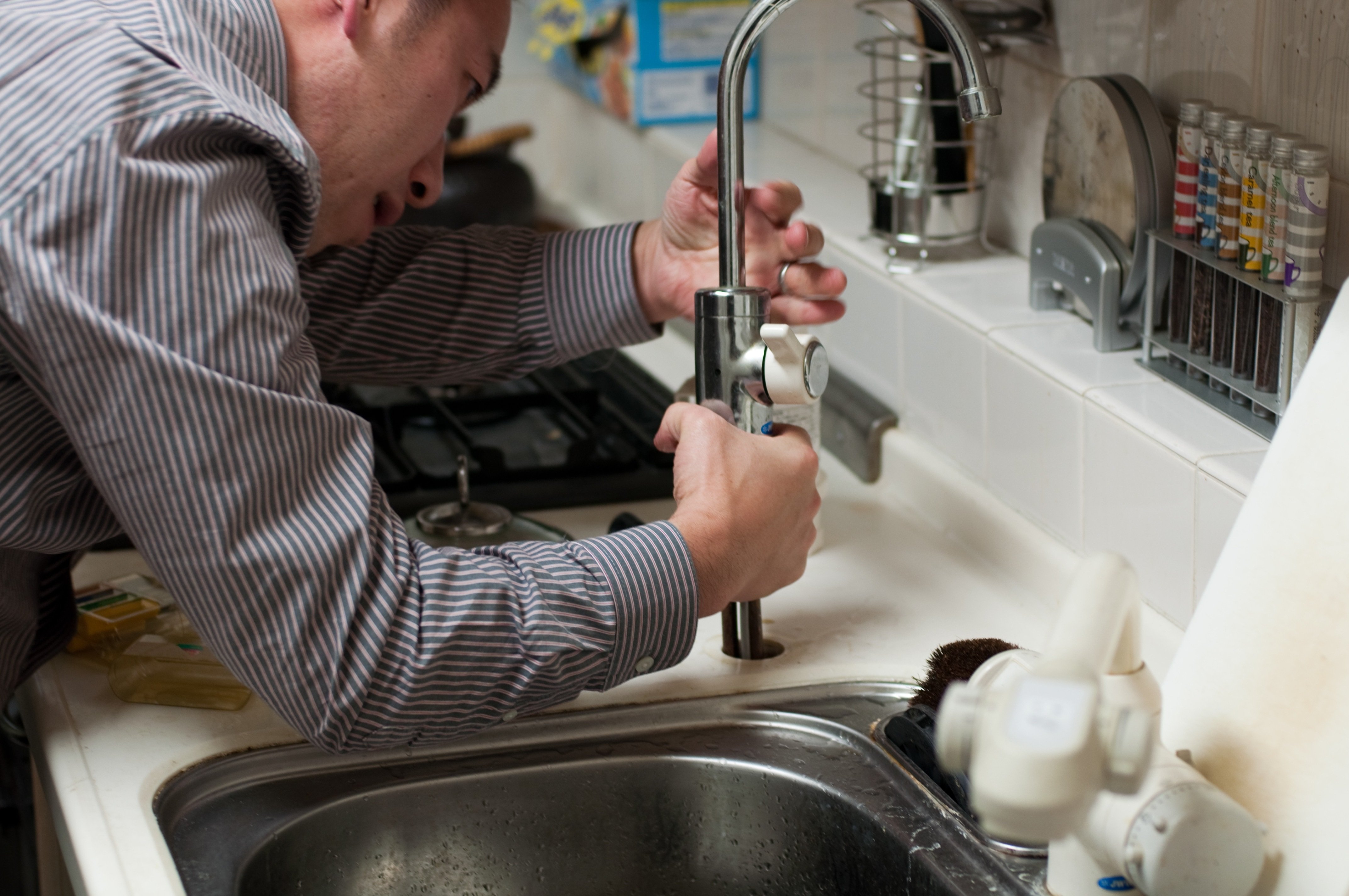
Plumbing problems are among the most common household maintenance issues. Even a small leak can waste water, damage cabinets, encourage mold growth, and weaken nearby materials if it continues for too long.
Inspect the areas beneath kitchen and bathroom sinks for dampness, water stains, or unpleasant odors. Check visible pipes, faucet connections, and toilet bases for signs of leaking. Pay attention to dripping taps, slow drains, and unusual changes in water pressure.
If you notice a minor faucet leak, replacing a worn washer or cartridge may solve the problem, depending on the faucet design. Always shut off the appropriate water supply before attempting a repair.
Avoid pouring grease, coffee grounds, or other unsuitable materials down kitchen drains. In bathrooms, remove accumulated hair from drain covers to help prevent blockages.
For persistent leaks, damaged pipes, sewage odors, or signs of water damage inside walls, contact a qualified plumber. Fixing the underlying cause is more effective than repeatedly treating the visible symptoms.
Keep Your Roof in Good Condition
Your roof protects your home from rain, wind, sunlight, and other weather conditions. Regular roof inspections can help identify damage before water enters the building.
Look for signs such as missing or damaged shingles, cracked roofing materials, loose flashing, water stains on ceilings, or damp patches in the attic. After severe weather, check for visible damage from the ground whenever possible.
Do not climb onto a roof unless you have the appropriate training, equipment, and safe conditions. Roof work can be dangerous, particularly when surfaces are wet or steep.
If you notice a leak or damaged roofing materials, arrange for a qualified roofing professional to assess the problem. Temporary repairs may help limit water intrusion, but the underlying damage should be addressed properly.
Keeping nearby gutters clear and ensuring that water drains away from the roof can also help protect your home from moisture problems.
Clean Gutters and Downspouts Regularly
Gutters direct rainwater away from your roof, walls, and foundation. When leaves, dirt, and debris accumulate, water may overflow and cause damage to exterior surfaces.
Inspect gutters for blockages, sagging sections, loose brackets, and visible leaks. Check that downspouts direct water away from the building rather than allowing it to collect near the foundation.
If you clean gutters yourself, use appropriate safety equipment and avoid working from an unstable ladder. Consider hiring a professional when the roofline is high, access is difficult, or the work feels unsafe.
After cleaning, observe the system during rainfall if conditions allow. Water should flow through the gutters and downspouts without overflowing or pooling near the house.
Regular gutter maintenance is a simple way to reduce the risk of moisture-related repairs.
Inspect Walls, Ceilings, and Floors for Damage
Walls, ceilings, and floors can reveal early signs of household problems. Cracks, discoloration, peeling paint, and uneven surfaces may indicate moisture, normal material movement, or more serious structural concerns.
Examine walls and ceilings for water stains, bubbling paint, soft patches, or areas that repeatedly become damp. These symptoms may point to a leaking pipe, roof problem, poor ventilation, or water entering from outside.
Small cosmetic cracks can sometimes be repaired with suitable filler and fresh paint once the cause has been identified. However, do not simply cover cracks that are growing, recurring, or accompanied by sticking doors, uneven floors, or other signs of movement.
Large or widening cracks, significant ceiling sagging, or suspected structural damage should be assessed by a qualified building professional.
For floors, look for loose tiles, damaged grout, lifted boards, or soft areas that may indicate moisture beneath the surface. Repairing minor defects early can help prevent further deterioration.
Maintain Doors, Windows, and Seals
Doors and windows contribute to home security, comfort, and energy efficiency. Over time, hinges may loosen, frames may shift slightly, and seals can deteriorate.
Check that doors open and close smoothly and that locks work correctly. Tighten loose screws where appropriate, lubricate suitable moving parts with the recommended product, and inspect weatherstripping for cracks or gaps.
Around windows, examine the seals for peeling caulk, visible gaps, or signs of water entering the frame. Damaged exterior sealant should be replaced with a product suitable for the material and location.
If you feel drafts near windows or doors, sealing gaps can help reduce unwanted air movement and make indoor temperatures more comfortable.
Persistent condensation, water penetration, or significant frame damage may require professional attention. Proper ventilation is also important because condensation can occur when warm, moist indoor air meets cold surfaces.
Test Smoke Alarms and Carbon Monoxide Detectors
Home safety should always be part of your maintenance routine. Smoke alarms and carbon monoxide detectors provide important warnings when dangerous conditions develop.
Test your alarms according to the manufacturer’s instructions and replace batteries or entire units when required. Follow the recommended replacement schedule, since detectors do not last indefinitely.
Install smoke alarms in appropriate locations throughout the home, following local regulations and the manufacturer’s guidance. If your home contains fuel-burning appliances, fireplaces, or an attached garage, carbon monoxide detection may also be important.
Never ignore an alarm or assume it is harmless. If a carbon monoxide alarm sounds, leave the building immediately, get everyone to fresh air, and contact emergency services from a safe location.
Keep electrical outlets, heating equipment, and escape routes clear. These simple precautions can help make your home safer for everyone who lives there.
Maintain Electrical Systems Safely
Electrical maintenance requires special care because faulty wiring and damaged equipment can cause electric shock or fires.
Inspect visible electrical cords, plugs, and outlets for burn marks, cracks, discoloration, or unusual heat. Avoid overloading power strips and extension cords, and keep electrical equipment away from water.
If a circuit breaker trips repeatedly, lights flicker frequently, or outlets produce sparks or a burning smell, stop using the affected equipment and arrange for a qualified electrician to investigate.
Do not attempt to repair live wiring, open electrical panels, or replace damaged fixed wiring unless you have the required qualifications and authorization.
You can still perform useful preventive maintenance by keeping electrical areas dry, checking cords visually, and making sure that appliances have sufficient ventilation.
Electrical safety is more important than saving money on a repair. When an issue involves fixed wiring or the electrical distribution system, professional assistance is the safest choice.
Keep Heating, Cooling, and Ventilation Systems Clean
Heating and cooling systems help maintain comfortable indoor temperatures, but they work best when properly maintained.
Clean or replace air filters according to the equipment manufacturer’s recommendations. Dirty filters can restrict airflow and reduce system efficiency.
Keep vents and air returns unobstructed by furniture, curtains, or stored belongings. Check that exhaust fans in kitchens and bathrooms are functioning correctly, especially in areas where moisture accumulates.
If your home has an air conditioner, remove accessible dust from the exterior and keep the area around the outdoor unit clear. Follow the manufacturer’s guidance for routine cleaning, and arrange professional servicing when necessary.
Unusual noises, burning smells, weak airflow, or inconsistent temperatures may indicate a problem that requires inspection.
For fuel-burning heating appliances, arrange appropriate professional servicing and ensure that combustion gases are safely vented. Never block ventilation openings to reduce drafts.
Prevent Mold and Moisture Problems
Excess moisture can damage paint, wood, drywall, furniture, and other household materials. It can also encourage mold growth and contribute to poor indoor air quality.
Use bathroom exhaust fans when showering, ventilate kitchens while cooking, and address plumbing leaks as soon as possible. Wipe away condensation when appropriate and avoid drying large amounts of wet laundry in poorly ventilated rooms.
Check behind furniture placed against exterior walls if the room tends to feel damp. Look for musty odors, dark patches, peeling paint, and recurring condensation.
When mold appears, the most important step is to identify and correct the moisture source. Small areas on suitable hard surfaces may be cleaned using an appropriate method, while extensive mold growth, contaminated porous materials, or recurring moisture problems may require professional remediation.
Never mix cleaning chemicals, particularly bleach with ammonia or acidic cleaners. Follow product instructions and provide adequate ventilation.
Preventing moisture from accumulating is generally easier and less expensive than repairing extensive water damage later.
Maintain Kitchen Appliances and Fixtures
Kitchen appliances are used frequently, so regular care can help them function properly and reduce avoidable problems.
Clean refrigerator door seals and check that doors close tightly. Remove dust from accessible ventilation areas according to the manufacturer’s instructions, and avoid overfilling the refrigerator in ways that block airflow.
Clean oven interiors, stovetops, and range hood filters using products suitable for the appliance. Remove grease buildup from cooking areas because accumulated grease can create a fire hazard.
Check the dishwasher for clogged filters, damaged seals, and standing water. If a dishwasher repeatedly fails to drain or leaks, investigate the cause or contact an appliance technician.
For washing machines and other water-connected appliances, inspect accessible hoses for bulges, cracks, and leaks. Replace deteriorated hoses with suitable replacements and follow the manufacturer’s recommendations.
Avoid unnecessary disassembly. Simple cleaning and visual checks are useful, but electrical faults, refrigerant problems, and complex mechanical failures should be handled by qualified technicians.
Repair Small Problems Before They Become Expensive
One of the most effective home repair and maintenance tips is to deal with minor problems before they spread.
A loose cabinet handle, damaged caulk line, squeaky hinge, or small patch of peeling paint may be easy to address. However, repairs should be made only after checking that there is no underlying water damage, structural movement, or other serious cause.
Keep a basic household toolkit with suitable screwdrivers, a tape measure, a hammer, pliers, a flashlight, and other tools appropriate for your experience. Store tools safely and follow the instructions supplied with each product.
Use the correct repair materials for the surface involved. For example, bathroom sealant should be suitable for wet areas, while wall filler should be appropriate for the type of wall being repaired.
If you are unsure about the cause of a problem, research the issue carefully or consult a professional before attempting a repair. Correct diagnosis can prevent wasted money and repeated work.
Improve Energy Efficiency Around Your Home
Energy-efficient home maintenance can help reduce utility costs while improving comfort.
Inspect weatherstripping around doors and windows, seal suitable small air gaps, and close curtains or blinds when they help control heat gain or heat loss. Use energy-efficient lighting where appropriate and switch off equipment when it is not needed.
Keep refrigerator doors closed as much as possible and follow recommended temperature settings. Maintain heating and cooling equipment so it can operate with adequate airflow.
Check for dripping hot-water faucets and poorly insulated accessible hot-water pipes. If you have a water heater, follow its maintenance instructions and consult a qualified technician for servicing or repairs.
For older homes, a professional energy assessment may help identify the most effective improvements. Upgrades should be chosen according to the building, climate, existing equipment, and budget rather than assuming that every improvement will produce the same savings.
Create a Simple Home Maintenance Schedule
A maintenance schedule makes it easier to remember important tasks and prevents small jobs from being forgotten.
Inspect frequently used areas for leaks, unusual smells, loose fixtures, and visible damage. Clean kitchen and bathroom surfaces regularly, and monitor areas that are prone to moisture.
Review your home’s exterior after severe weather, and arrange periodic inspections of the roof, drainage systems, heating equipment, and other important components according to their condition and the manufacturer’s guidance.
Keep a record of repairs, service visits, appliance warranties, and replacement dates. This information can help you identify recurring problems and plan future expenses.
A simple notebook or digital checklist is enough to get started. The best schedule is one that suits your home, local climate, available time, and maintenance needs.
When Should You Call a Professional?
DIY home repairs can save money, but not every problem is suitable for a homeowner to handle independently.
Contact a qualified professional when you notice major roof leaks, suspected structural damage, persistent plumbing leaks inside walls, serious electrical faults, or heating equipment that may be unsafe.
Professional assistance is also appropriate when a repair requires specialized tools, permits, technical knowledge, or work at height.
Before hiring someone, explain the problem clearly, ask what the repair involves, and request a written estimate where appropriate. For significant projects, comparing qualified providers can help you understand the scope and expected cost.
Do not delay urgent repairs simply because you are trying to find the cheapest option. Water intrusion, electrical hazards, structural instability, and unsafe combustion equipment can become more dangerous when left untreated.
Knowing when to handle a repair yourself and when to seek expert help is an important part of responsible homeownership.
Common Home Maintenance Mistakes to Avoid
Ignoring small leaks is a common mistake because the visible damage may initially appear minor. Water can travel behind walls, beneath flooring, and into cabinets before the full extent becomes obvious.
Another mistake is using unsuitable materials. Interior paint, ordinary filler, or the wrong sealant may not withstand moisture or outdoor conditions.
Some homeowners also neglect maintenance records, making it difficult to remember when equipment was serviced or which repairs have already been completed.
Overlooking ventilation can create additional problems, particularly in bathrooms, kitchens, and laundry areas. Similarly, using overloaded extension cords or attempting unfamiliar electrical repairs can create serious safety risks.
Finally, avoid treating every visible crack or stain as a purely cosmetic issue. Determine the cause before covering the damage.
A careful approach to inspection, appropriate materials, and timely repairs helps protect both your home and your budget.
Final Thoughts on Home Repair and Maintenance Tips
Following practical home repair and maintenance tips can help you protect your property, improve safety, and reduce the likelihood of costly repairs. From checking for plumbing leaks and maintaining gutters to improving ventilation and testing safety alarms, small preventive actions can make a meaningful difference.
Start by inspecting the areas of your home that are most vulnerable to damage. Address minor problems promptly, keep essential maintenance records, and develop a routine that fits your household.
Remember that DIY repairs have limits. Electrical faults, structural concerns, major leaks, and other potentially dangerous problems should be assessed by qualified professionals.
With consistent care and sensible planning, you can keep your home in better condition, enjoy a more comfortable living environment, and avoid many preventable maintenance problems.
Leave a Reply